Roy Bowdler:
Without empirical evidence to support it, I would expect a majority of IET members to favour remain...
Personally I wouldn't be at all surprised if it was the other way around, but we'll never know, and as you sort of go on to say it doesn't really matter now.
...but even if they do, what right do we have to “take a side” against the minority who won the public vote, it just isn’t our function.
For these forums, and for the IET as a body I agree, all we can do is help manage it. Outside those environments I do completely disagree with the view "you lost the vote so shut up" or (as I heard Jacob Rees-Mogg put it) "it is unpatriotic to go against the will of the people" (or very similar words). My view here is nothing to do with Brexit per se, it would apply equally to say, capital punishment or launching an invasion of somewhere - if somebody genuinely believes that a popular decision is against the best interests of the "country" (whatever that means, which is complicated again) then I think they should be praised for having the courage to speak out. They may be right or wrong, but they have the right to be listened to. (There is of course a huge difference between this and just whinging because the decision doesn't suit that person, or just being miffed at having lost.)
As we come up to the centenary of the end of the first world war it's a really interesting example to see the change in the "majority" attitude to the war (as far as can be judged) between 1914 and, say, 1930. Those who would once have been nearly lynched as being unpatriotic came to be almost celebrated for speaking out for the plight of the common soldier. This is going to sound odd, but stick with me, I've just been reading - as a bit of nostalgia - "Biggles learns to fly" written in 1935 (but set in 1916). It has some surprisingly - and absolutely explicit - anti-war sentiments which I would lay a fair bet W. E. Johns wouldn't have written in (say) 1915 - and if he had, they wouldn't have been published.
Personally I'd say everyone should have the right to take a side on an issue, against a majority view, provided they are doing it for the right reasons. But it can be very tough. And, as Roy says, only history can judge which side in the end made the least worst decision.
Closer to our day job world: Some here will know of the plane crash, famous in psychology and safety management circles, where the pilot and flight engineer thought everything was fine and overruled the co-pilot. A confident majority is not necessarily making the right decision. Or the wrong decision. I think there's a very important general principle here for engineers to be prepared to be unpopular and to speak out (assertively but not aggressively) if they think they have evidence that a decision will result in potential hazards which do not appear to have been considered. The VW emissions issue might be a good example, we may well find such issues emerging from the Grenfell fire enquiry as well.
Last thought, there are two common and interlinked bits advice for business leaders relating to strategic decisions: "it is usually better to make a decision and manage it than to do nothing" and "if 51% of your decisions are right then you're ahead". These can feel alien to engineers, although they start to come more easily with practice - however the key thing is to remember that any decision you make may be one of the 49% of wrong decisions, which is ok as long as you keep reviewing and managing it - and possibly even changing it. Which includes listening (more than you might admit) to dissenting voices. Good and successful business leaders accept that these are the rules and work with them. As do good politicians - it's interesting to listen to past politicians being interviewed, who will sometimes admit that they knew they were making it up and adapting as they went along, however confident and bombastic their speeches at the time were. Which is a hopeful thought.
Again as a bit of light relief from all the above: Near us, at Cotehele House, is the "earliest turret clock in the United Kingdom still working in an unaltered state and in its original position. It was probably installed between 1493 and 1521." When I'm down there I can watch it for ages...no hands, it just rings a bell. I'll bet nothing I've engineered will be around in 600 years time!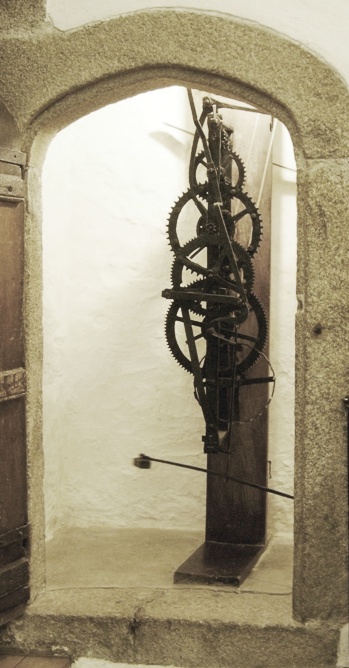
Roy Bowdler:
Without empirical evidence to support it, I would expect a majority of IET members to favour remain...
Personally I wouldn't be at all surprised if it was the other way around, but we'll never know, and as you sort of go on to say it doesn't really matter now.
...but even if they do, what right do we have to “take a side” against the minority who won the public vote, it just isn’t our function.
For these forums, and for the IET as a body I agree, all we can do is help manage it. Outside those environments I do completely disagree with the view "you lost the vote so shut up" or (as I heard Jacob Rees-Mogg put it) "it is unpatriotic to go against the will of the people" (or very similar words). My view here is nothing to do with Brexit per se, it would apply equally to say, capital punishment or launching an invasion of somewhere - if somebody genuinely believes that a popular decision is against the best interests of the "country" (whatever that means, which is complicated again) then I think they should be praised for having the courage to speak out. They may be right or wrong, but they have the right to be listened to. (There is of course a huge difference between this and just whinging because the decision doesn't suit that person, or just being miffed at having lost.)
As we come up to the centenary of the end of the first world war it's a really interesting example to see the change in the "majority" attitude to the war (as far as can be judged) between 1914 and, say, 1930. Those who would once have been nearly lynched as being unpatriotic came to be almost celebrated for speaking out for the plight of the common soldier. This is going to sound odd, but stick with me, I've just been reading - as a bit of nostalgia - "Biggles learns to fly" written in 1935 (but set in 1916). It has some surprisingly - and absolutely explicit - anti-war sentiments which I would lay a fair bet W. E. Johns wouldn't have written in (say) 1915 - and if he had, they wouldn't have been published.
Personally I'd say everyone should have the right to take a side on an issue, against a majority view, provided they are doing it for the right reasons. But it can be very tough. And, as Roy says, only history can judge which side in the end made the least worst decision.
Closer to our day job world: Some here will know of the plane crash, famous in psychology and safety management circles, where the pilot and flight engineer thought everything was fine and overruled the co-pilot. A confident majority is not necessarily making the right decision. Or the wrong decision. I think there's a very important general principle here for engineers to be prepared to be unpopular and to speak out (assertively but not aggressively) if they think they have evidence that a decision will result in potential hazards which do not appear to have been considered. The VW emissions issue might be a good example, we may well find such issues emerging from the Grenfell fire enquiry as well.
Last thought, there are two common and interlinked bits advice for business leaders relating to strategic decisions: "it is usually better to make a decision and manage it than to do nothing" and "if 51% of your decisions are right then you're ahead". These can feel alien to engineers, although they start to come more easily with practice - however the key thing is to remember that any decision you make may be one of the 49% of wrong decisions, which is ok as long as you keep reviewing and managing it - and possibly even changing it. Which includes listening (more than you might admit) to dissenting voices. Good and successful business leaders accept that these are the rules and work with them. As do good politicians - it's interesting to listen to past politicians being interviewed, who will sometimes admit that they knew they were making it up and adapting as they went along, however confident and bombastic their speeches at the time were. Which is a hopeful thought.
Again as a bit of light relief from all the above: Near us, at Cotehele House, is the "earliest turret clock in the United Kingdom still working in an unaltered state and in its original position. It was probably installed between 1493 and 1521." When I'm down there I can watch it for ages...no hands, it just rings a bell. I'll bet nothing I've engineered will be around in 600 years time!
We're about to take you to the IET registration website. Don't worry though, you'll be sent straight back to the community after completing the registration.
Continue to the IET registration site


