


A blog looking at the UK’s early electric railways and links with our Institution and its members by guest blogger David Knights FIET.
Railway history is often dominated by the names of civil and mechanical engineers. As the “new” technology of electricity developed, railways were often “early adopters”. The IET has a long-standing relationship with the railway. Our past Presidents and members have played a significant role in the development of the railways, including their electrification. This article highlights some of the notable electrical engineers who contributed to these pioneering developments.
A short history of the Institution of Engineering and Technology (IET)
The IET can trace its history back to 1871 when the Society of Telegraph Engineers (STE) was founded. In 1880 it was decided to alter the title to reflect the changes in electrical technology of the day and was renamed The Society of Telegraph Engineers and of Electricians (STEE). At a meeting of the Council on 10 November 1887 a motion was put forward to alter the name to the Institution of Electrical Engineers to reflect its representation of the body of electrical engineers in England. On 1 January 1889 the Register of Joint Stock Companies issued his Certificate of Incorporation to the Institution of Electrical Engineers (IEE). The Institution of Engineering and Technology (IET) was formed in 2006 by the joining together of the IEE (Institution of Electrical Engineers) and the IIE (Institution of Incorporated Engineers). More information about the history of the IET can be found on our website.
Railways and the telegraph
Well before the formation of the Society of Telegraph Engineers (STE) in 1871, telegraphs were laid along railways, and the railways became some of the first users. William Fothergill Cooke and Charles Wheatstone’s double needle telegraph was installed between Paddington and Slough in 1843 for the purpose of sending messages, and notably in January 1845 a message was sent to Paddington which enabled the apprehension of an alleged murderer.
Telegraph-based systems were developed to regulate the train service and improve railway safety, but the railways were reluctant to install them, and widespread adoption only came after the Regulation of Railways Act, 1889 made it mandatory. Equipment based on this principle is still in use on small parts of the railways today.
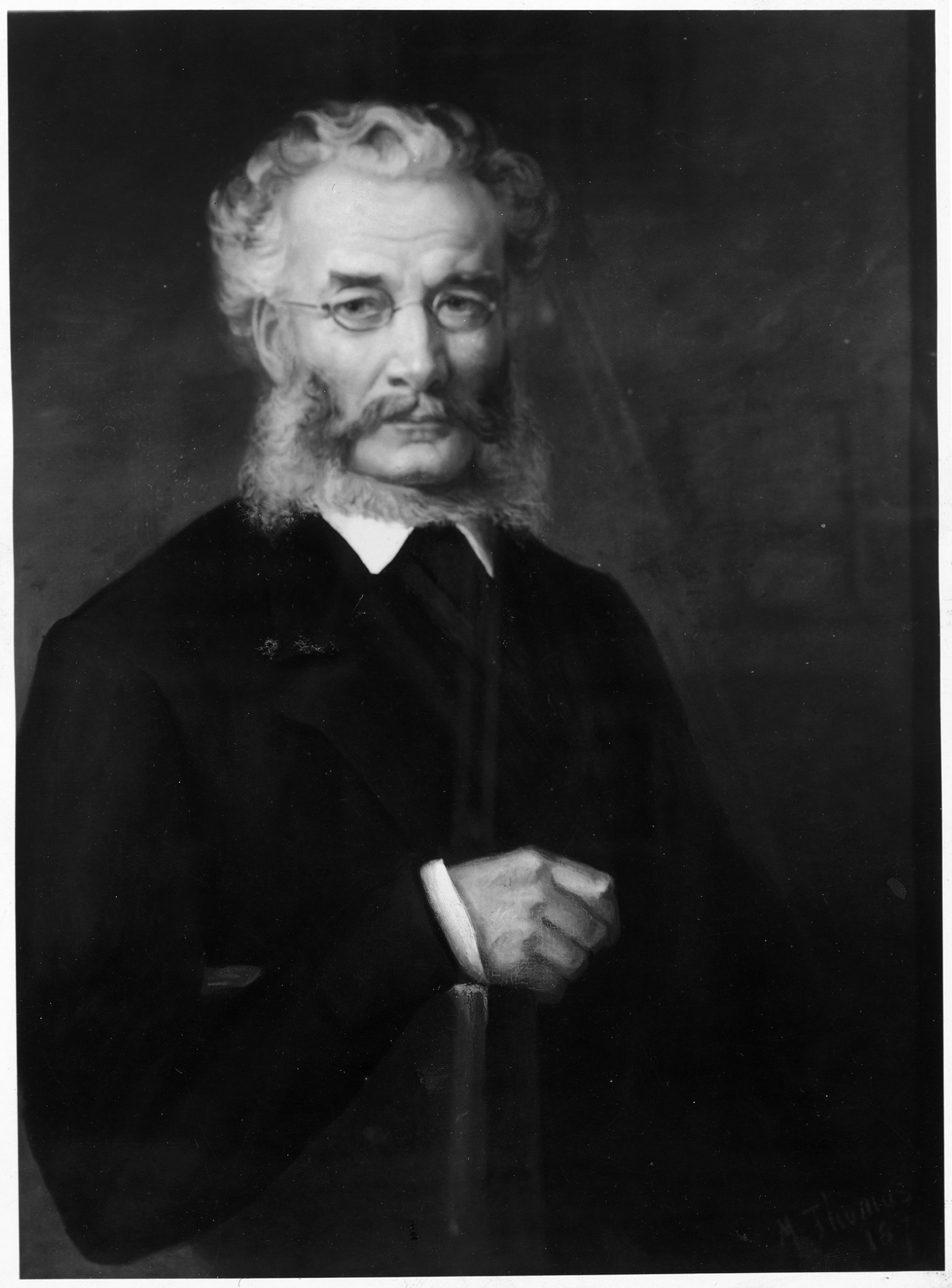
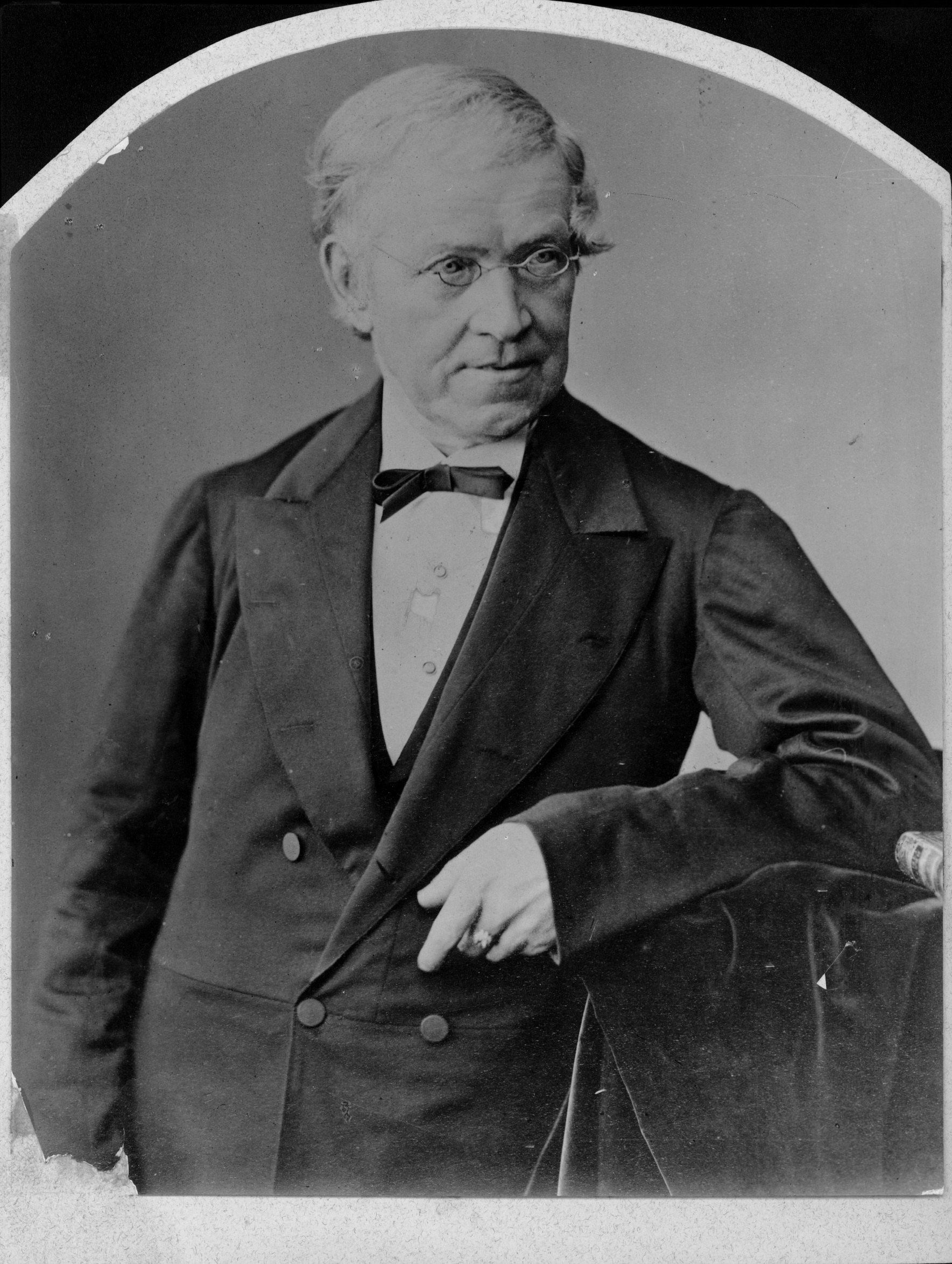
Electrically operated signalling was adopted on densely trafficked railways with Charles Ernest Spagnoletti (Member 1872, President STEE 1885, Honorary Member 1912) a leading proponent as chief electrical engineer to the Great Western Railway Company and advisor to several other railways.
As the technology of electricity rapidly developed, an obvious application was for providing traction for railways that then used steam locomotives, and horse powered tramways. The first commercially successful electric tramway was built by Werner von Siemens in Lichterfelde near Berlin, in 1881. Technology was rapidly adopted in the United States.
A pioneer in the development of electric streetcars in America was Frank Sprague (Foreign Member 1899) who developed nose-suspended, axle-hung traction motors and multiple unit control, later to be used in the London Underground.
The first electric train in the UK was the two-foot-gauge railway built along Brighton’s seafront in 1883 by Magnus Volk (Associate 1877), which is now the world’s oldest operational electric railway.
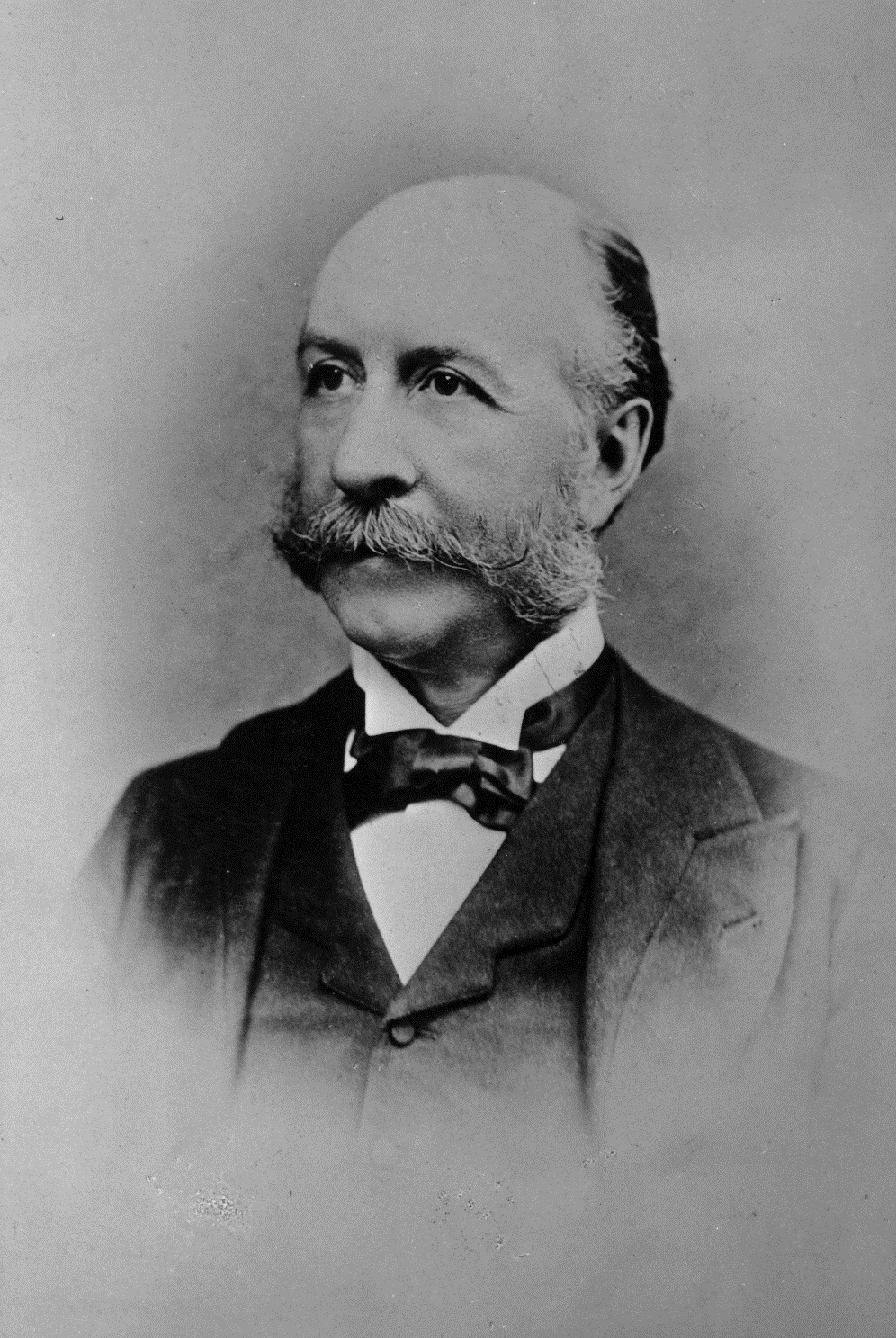
In Ireland, the Bessbrook and Newry Tramway supplied with hydro-electric power and engineered by Dr. Edward Hopkinson (Member 1883, President IMechE 1919) was opened in 1885. The same year, Blackpool opened Britain’s first electric tram system, using a conduit system to pick up the electric current from the third rail below the road surface.
In London, railways operated by steam locomotives had been built below the surface in semi-enclosed cuttings, but proposals to build deep “tube” railways required a different technology. The City and South London Railway opened in 1890, was the world’s first deep tube railway. Initially designed to be cable hauled, electric locomotives were adopted, the electrical engineering under the supervision of Dr Edward Hopkinson.
It was followed by the Waterloo and City Line which opened in 1897 with Alexander Siemens (Associate 1872, Member 1880, President IEE 1894 and 1904) providing the electrical equipment. The Central London Railway was opened with electric propulsion in 1900.
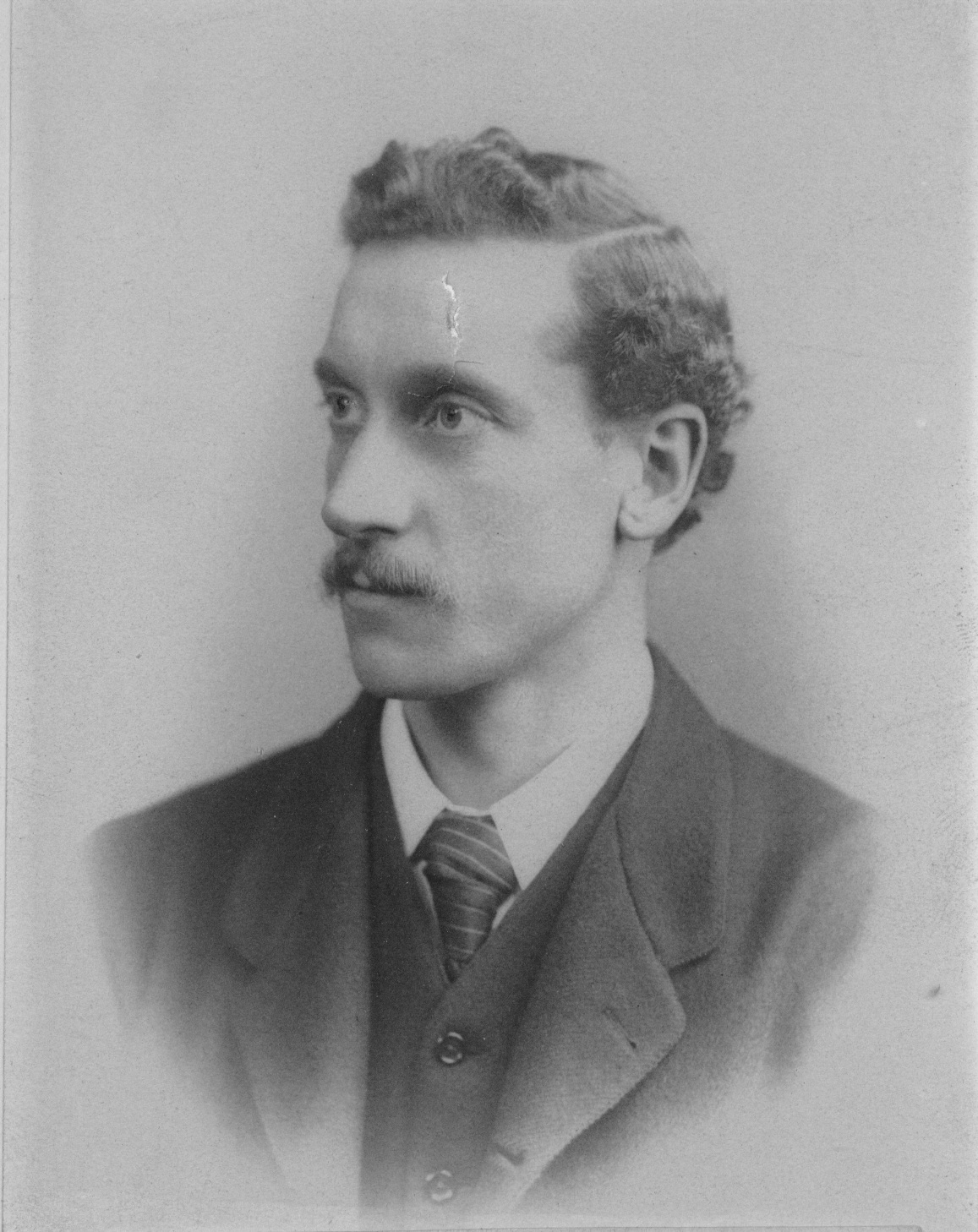
Joint Committee on Electric Powers Protective Clauses
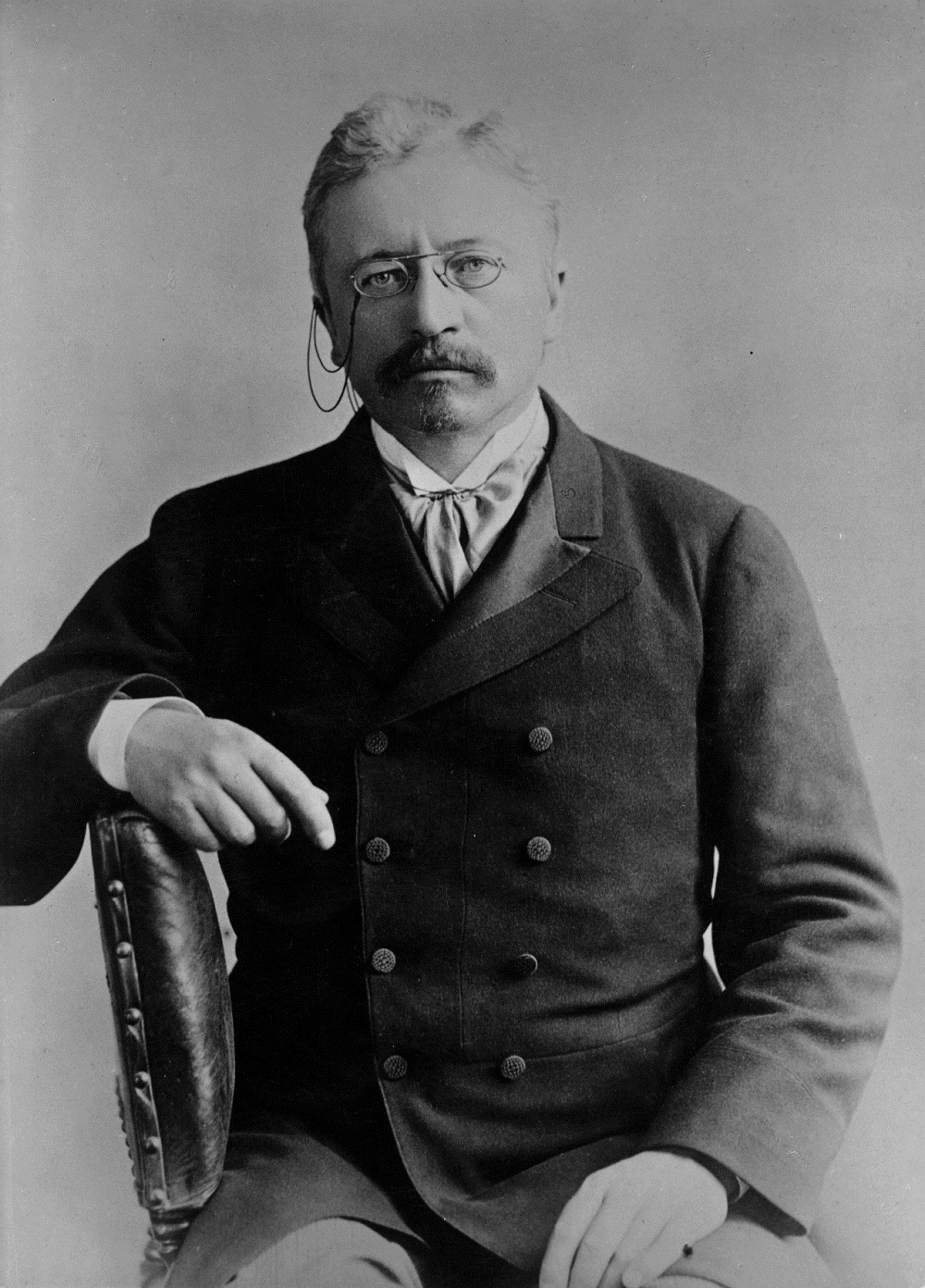
Stray Current d.c. current, sometimes called Vagrant or Vagabond Current, has been causing problems ever since electric railways came along. In 1892, a Leeds solicitor, complained that his telephone wouldn’t work properly, resulting in a court case, and the following year, a Joint Committee on Electric Powers Protective Clauses was formed. This case was so important that the names of many of the participants in this committee are still familiar today, with nine of them being presidents of the STE / STEE / IEE.
- Sir William Henry Preece, Engineer-in-Chief and Electrician to the Post Office; President ICE, President STE 1880, President IEE 1893;
- Mr Charles Ernest Spagnoletti, chief electrical engineer to the Great Western Railway Company, advisor to other railways, President STEE 1885;
- Lord Kelvin, William Thomson, Professor of Natural Philosophy at the University of Glasgow, President IEE 1889, 1907;
- Mr William Edward Langdon, Electrical engineer and superintendent of the telegraph department of the Midland Railway, President IEE 1901;
- Sir James Swinburne, Managing Director of Swinburne and Company Limited, President IEE 1902.
- Major General Webber, Former managing director of the Bell and Edison United Tele phone Company, President IEE 1882.
- Dr John Hopkinson FRS, consulting engineer to contractors to the City and South London Electric Railway; President IEE 1890, 1896;
- Colonel Rookes Evelyn Bell Crompton; Managing Director of Crompton and Company, President IEE 1895, 1908;
- Sir Alexander Siemens, Director of Siemens Brothers and Company Limited, President IEE 1894, 1904;

Electrification and American engineers
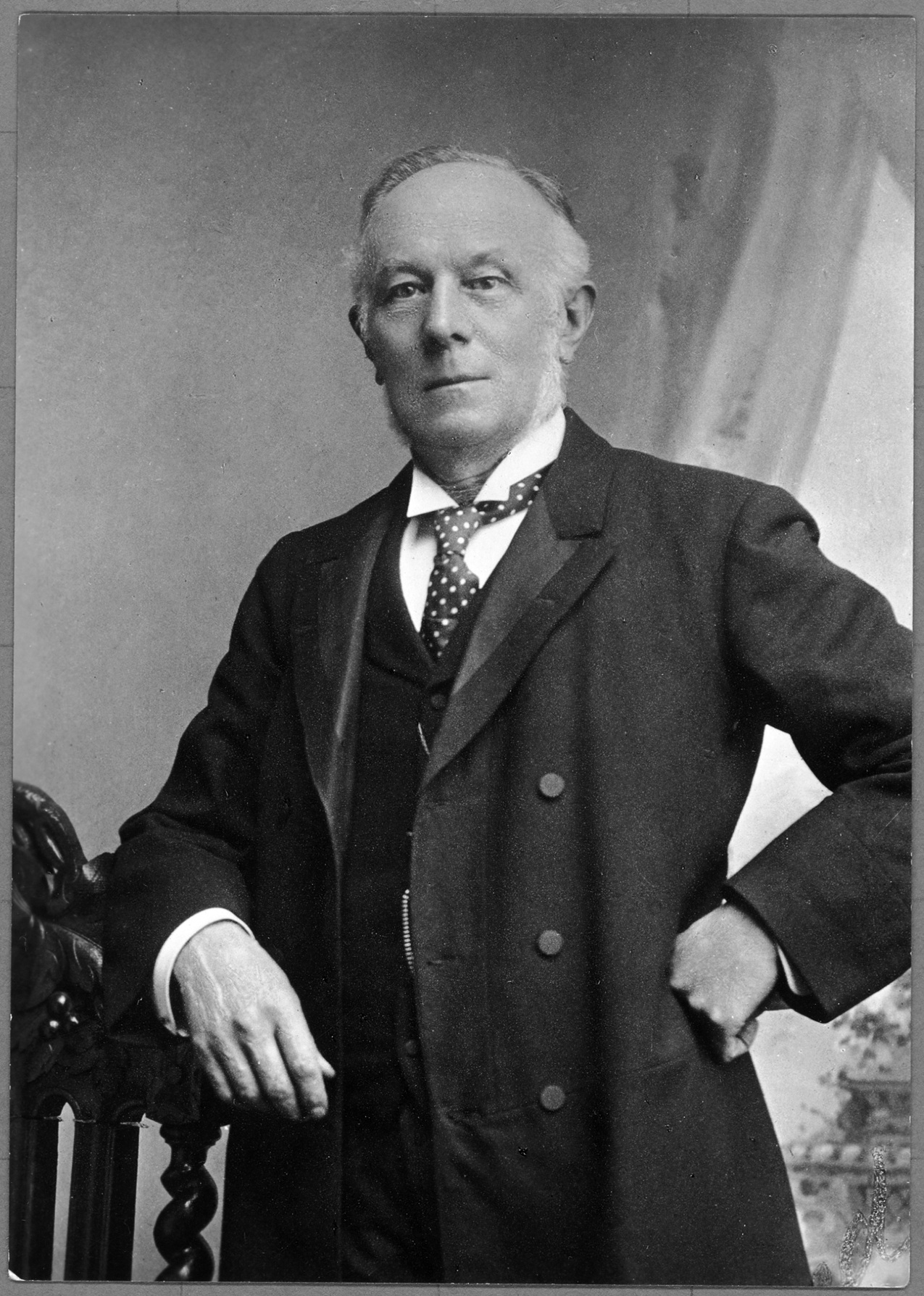
By the end of the 19th Century, the Inner Circle (what we now know as the Circle line) was still operated by steam locomotives. It needed to be electrified, but the railway company had no money to do it. There were also a number of the deep “tube” lines proposed, but they had no money either. (The central parts of the Northern, Piccadilly and Bakerloo lines).
A rather dubious American financier Charles Tyson Yerkes, who had with experience on American tramways, gained control of these railways, and secured the finances to take this forward. Yerkes (who died in 1905) is usually given the credit for creating the “UndergrounD”, but he would not have done it without his team of mostly American engineers.
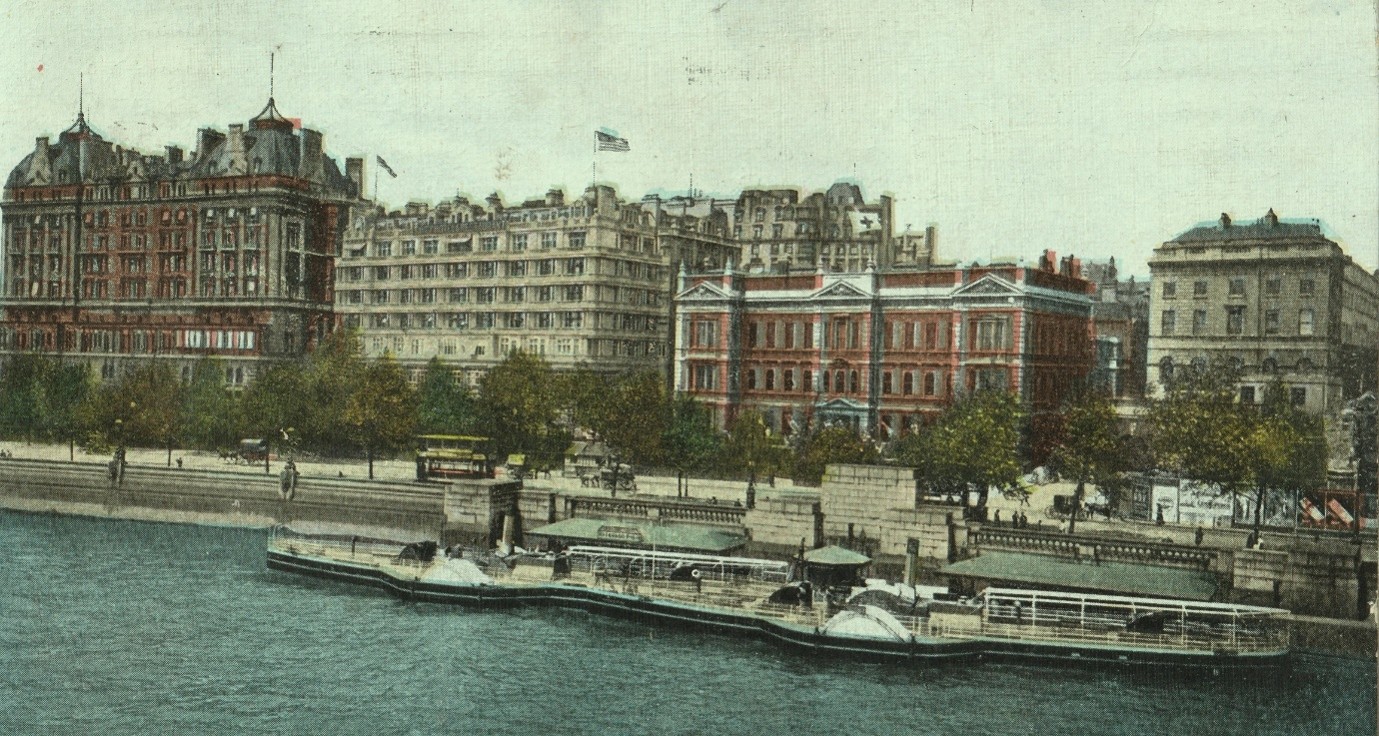
When they arrived in 1901, they set up an office in the Hotel Cecil, located two buildings to the left of Savoy Place, then favoured by American visitors; before moving to a more permanent office at Hamilton House – just beyond Temple Station.
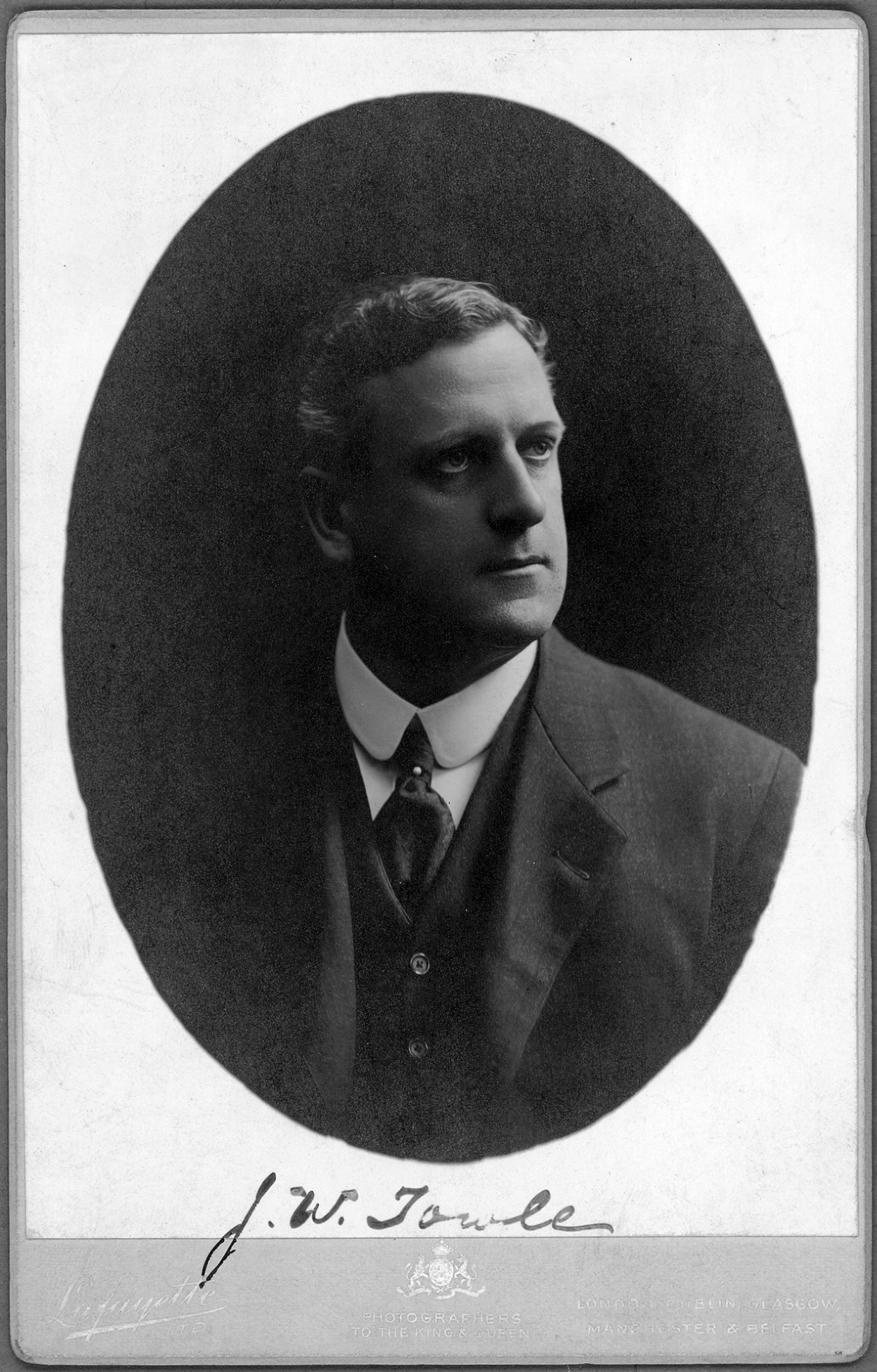
Although some of the Americans working for the Underground Electric Railways Company of London were not members of the Institution, they included James Russell Chapman, General Manager and Chief Engineer; Samuel Byrod Fortenbaugh, Electrical Engineer; Zac Ellis Knapp, Chief Draughtsman, and later Chief Engineer; John William Towle (Associate Member 1901, Member 1902), Engineer-in-Charge for the construction of the power house; Gilbert Rosenbusch / Rowe (Associate Member 1910, Member 1911), Lift Engineer; and later John Pattinson Thomas (Associate Member 1910, Member 1921).
Celebrating engineering achievements
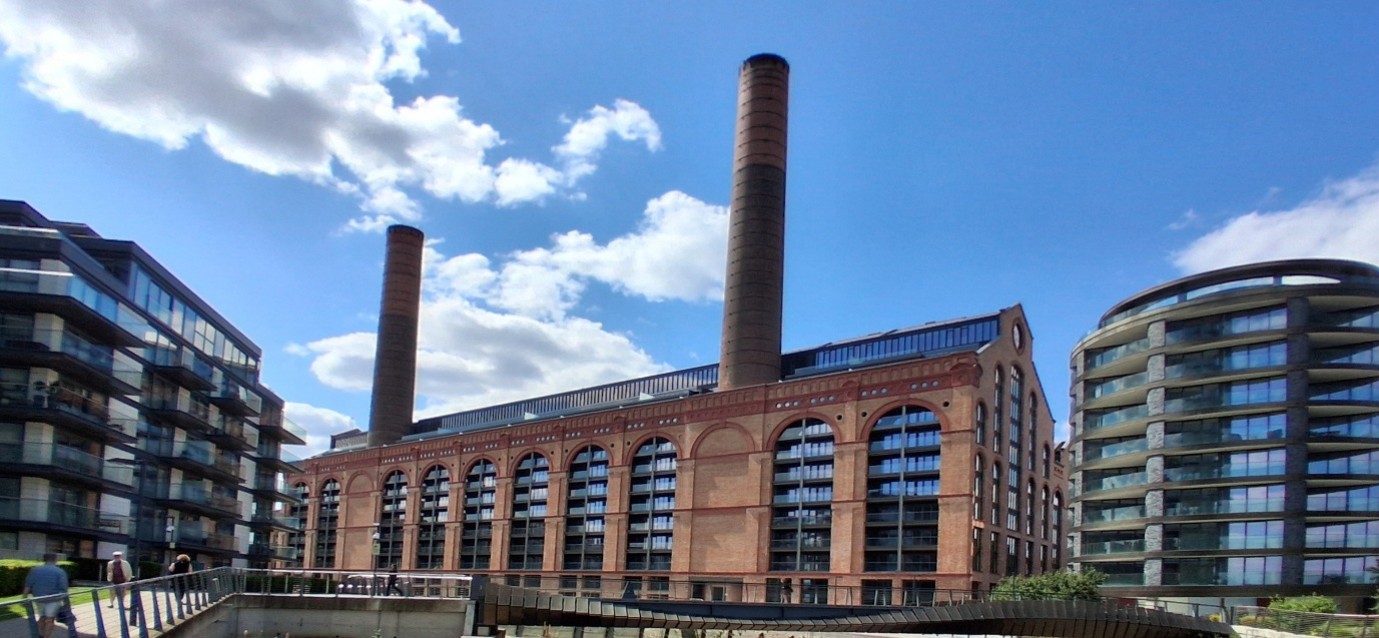
Their achievements are remarkable. Starting in mid-1901, the team developed, and tested the future electrification and signalling systems; placed contracts for the construction of the largest power station in the world at Lots Road, Chelsea, thirty substations, miles of cables; installed conductor rails on the District railway on which it is reported that ‘a thousand men were working’ and commissioned about 900 fireproof carriages. By adopting an insulated four-rail electrification system, this team avoided the problem of stray current, thus effectively setting the standard for the conductor rail position of the London Underground and future wider d.c. electrification.
The team also managed the completion of the tunnelling work on the three “tubes” and construction of 40 surface stations. The first electric trains ran in 1903, the electrification of the District Railway was completed in 1905, and all the “tube” lines were opened by 1907. This is an impressive achievement in only six years.
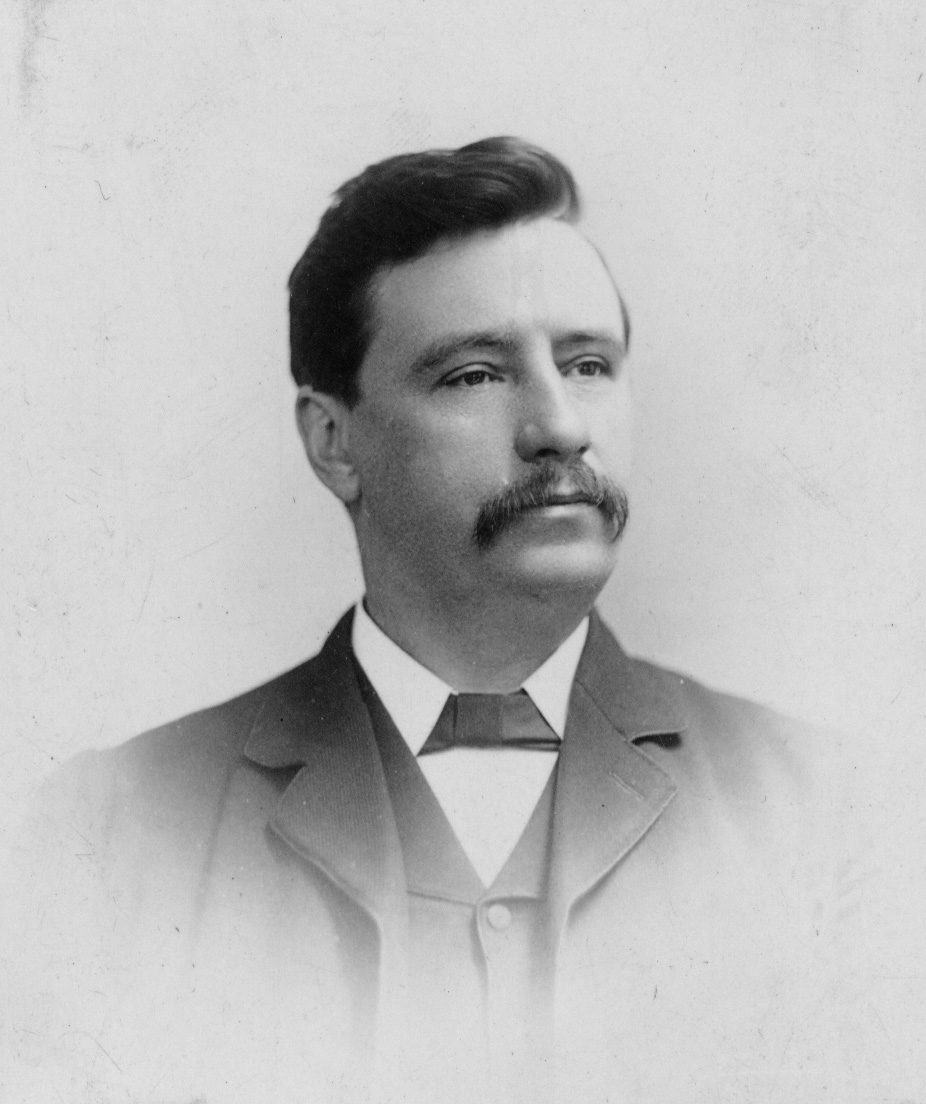
In a similar timescale, Thomas Parker (Member 1885), appointed as Consulting Electrical Engineer to the Metropolitan Railway Company in 1899, oversaw the electrification of the Metropolitan Railway, and construction of the power station at Neasden.
A lasting legacy
This blog has highlighted the the important links the IET, and its predecessor institutions, have had with the railway and its subsequent electrification. It is also a means to link the achievements of our past to the engineers of the present and future. There are many items within the IET Archives that can help to demonstrate the rich history that the IET has with the transport industry. These include maps of the newly electrified London Underground routes, incorporating what are now the Northern, Central and District Lines. Pamphlets on the Bakerloo Line tunnel built under the Thames from 1906, and advertisements for Heilmann locomotives in Germany. There is also a fine collection of photographs from the British Thomson-Houston Rugby collection that show the design of the early electric locomotives such as those found on the Bakerloo and Metropolitan lines.
Featured image above: A Motor car for the Great Northern Picadilly and Brompton Railway (now part of the Piccadilly line), about 1905. From the author’s own collection.
Further resources
Transport images from a collaborative project from the archives of the IET, IMechE and the ICE:
IET Archives (ietarchives) – Profile | Pinterest
‘Railways have an electric future’ IEE/British Rail Faraday Lecture 1981/1982 on film:
Railways Have an Electric Future; IEE Faraday Lecture 1981/82: – London’s Screen Archives – Title