


When I spoke with Leroy Osbourne FIET, CEng, MSc, for our 'My Engineering Career' blog series, I expected to hear about warships, sonar systems and a successful engineering career spanning the Royal Navy and industry. What I didn't expect was a story full of curiosity, adventure, resilience and lifelong learning.
From a young boy fascinated by electricity and aeroplanes to a Chartered Engineer, IET Fellow and engineering leader, Leroy's journey demonstrates that there is no single route into engineering. In fact, some of the most rewarding careers begin with simply asking questions and refusing to stop learning.
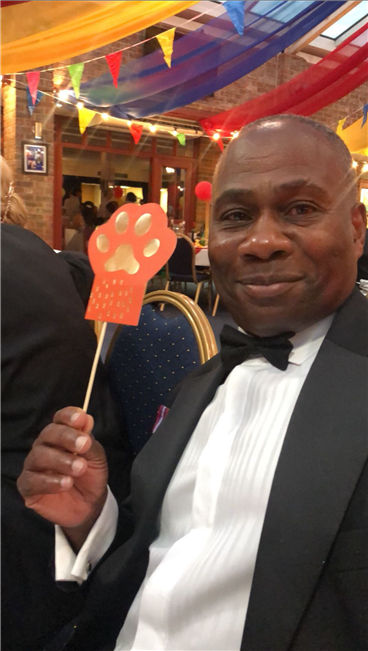 "I just wanted to know how things worked"
For Leroy, engineering wasn't a carefully planned career choice. It was the natural outcome of a childhood spent being curious.
Growing up, science subjects fascinated him, particularly physics and chemistry. He found himself constantly wanting to understand the world around him. How does electricity work? How do complex machines operate? How can something as enormous as an aeroplane leave the ground and fly? The more he learned, the more he wanted to know. "I was like a child," he told me. "I wanted to know more and more."
An important influence was his late wife's father, an electrical engineer who shared his knowledge and fuelled Leroy's interest in the profession. That small exposure to engineering would ultimately shape the direction of his life.
Finding opportunity in an unexpected place
Determined to pursue a technical career, Leroy joined the Royal Navy at just 17 years old.
His school results meant he couldn't enter directly as an engineer, but rather than allowing that to stop him, he took a different route. He joined as an operator working with electronic warfare systems and quickly immersed himself in the technology surrounding him. What followed was a lesson in making the most of opportunities.
Although he wasn't formally trained as an engineer at the time, he spent countless hours learning from engineers, technicians and subject matter experts. He read documentation, asked questions and absorbed knowledge wherever he could find it. Looking back, he sees this workplace learning as one of the most important parts of his development.
His message for younger engineers is simple: don't underestimate the value of learning from the people around you.
A life at sea
Leroy spent 22 years in the Royal Navy, with around half of that time deployed at sea. One of the things he remembers most fondly isn't the technology or the ships themselves, but the sense of camaraderie. Life on a naval vessel creates a unique environment where hundreds of people live and work together for long periods. Leroy describes it as being part of a family, with everyone contributing to a shared purpose. The role also allowed him to see parts of the world that many people only dream of visiting.
Among his favourite memories are deployments to the Caribbean, including Barbados, Bermuda and the Bahamas. Having been born in Jamaica before moving to the UK as a young child, returning to the Caribbean gave him a chance to reconnect with part of his heritage. He spoke warmly about experiencing different cultures and ways of life, and how those experiences broadened his perspective both personally and professionally.
When persistence pays off
One of the most inspiring aspects of Leroy's story is that he never allowed early setbacks to define him.
After building his technical knowledge through practical experience, he eventually completed a systems engineering degree and later earned a Master's degree from Loughborough University. The master's qualification took six years to complete while balancing work and other commitments.
His story is a reminder that success doesn't always happen quickly. Sometimes progress comes through determination, one step at a time. That perseverance eventually led to senior engineering roles in industry, including positions at Marconi and later BAE Systems, where he managed teams responsible for advanced naval combat systems.
The engineer who listens
When discussing leadership, Leroy repeatedly returned to one theme: listening.
Early in his career he learned that good engineering is rarely about having all the answers yourself. Whether solving a complex sonar problem or leading a team of experienced engineers, success often comes from bringing the right people together, encouraging discussion and building solutions collaboratively.
He describes his leadership style as democratic rather than autocratic. Instead of telling people what to do, he preferred gathering different viewpoints, examining the evidence and helping the team arrive at the best solution together. It's a philosophy that aligns perfectly with systems engineering: understanding how all the pieces fit together before making decisions.
Reaching the pinnacle
Professional registration became another significant milestone. After years of study and practical experience, Leroy achieved Chartered Engineer status and later became an IET Fellow. He admits feeling nervous during his professional review interview, but the achievement provided formal recognition of everything he had worked towards throughout his career.
Today he helps others on the same journey as an assessor and volunteer for the IET. It's a fitting full-circle moment. Having benefited from guidance and support throughout his own career, he now helps the next generation of engineers achieve their professional ambitions.
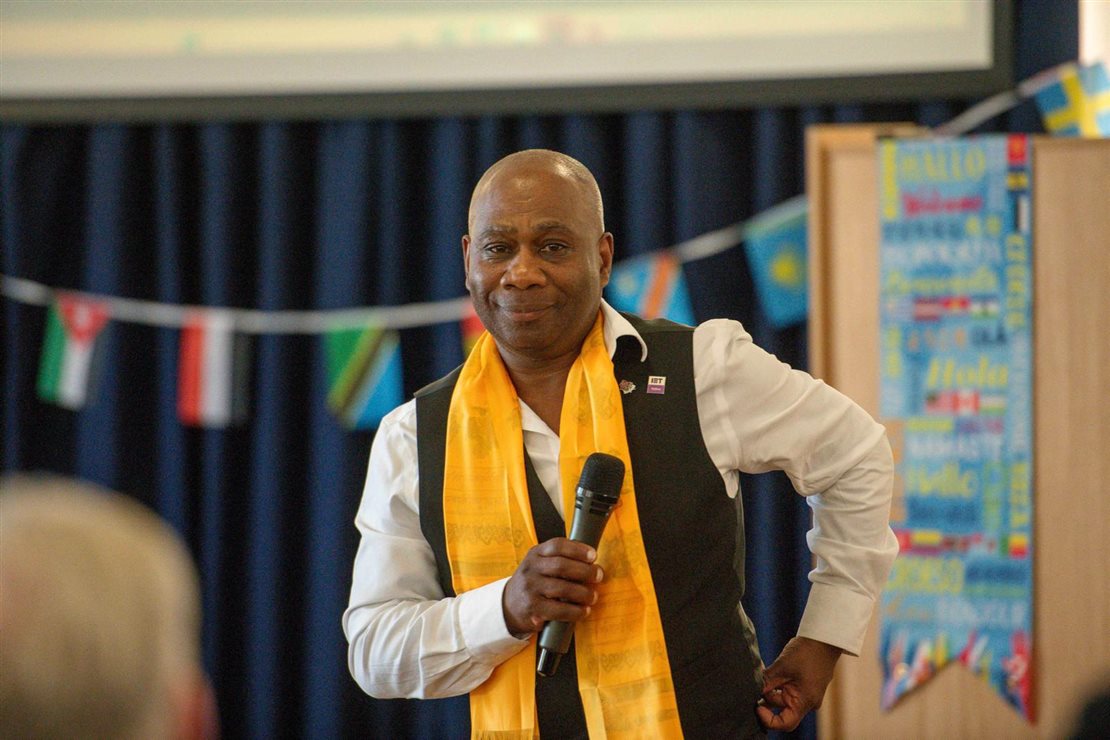
Looking to the future
Although retired, Leroy remains fascinated by emerging technology. He is particularly excited by developments in robotics, autonomous systems, artificial intelligence and virtual reality, recognising the opportunities these technologies create for the future of engineering.
Yet despite all the technological advances, he believes the qualities that make a good engineer remain unchanged. Be curious, ask questions, listen to others. Take time to understand the problem before rushing towards a solution.
One final question
Towards the end of our conversation, I asked Leroy my favourite "Dinner Party question". If they made a film about his life, which Actor would play him?
Without hesitation, he answered: Denzel Washington. Not because he's an action hero, but because of the thoughtful way his characters assess risks, think through problems and plan their next move. When Leroy explained his reasoning, I couldn't help but smile. The qualities he admired in the actor were exactly the same qualities that had served him throughout his own engineering career. And perhaps that's the lasting lesson from his story.
Engineering isn't simply about technology. It's about curiosity, patience, teamwork and never stopping learning.
Join the conversation
What inspired you to become an engineer?
Did your career follow the path you originally expected, or did it take some unexpected turns along the way? Share your story in the comments below.
Want to share your own Career journey with the EngX Community? Contact the Editorial team via community-online@ietengx.org and we'll be in touch!