


Introduction
What manufacturing strategies can help improve yield and consistency in the production of advanced photonic devices?
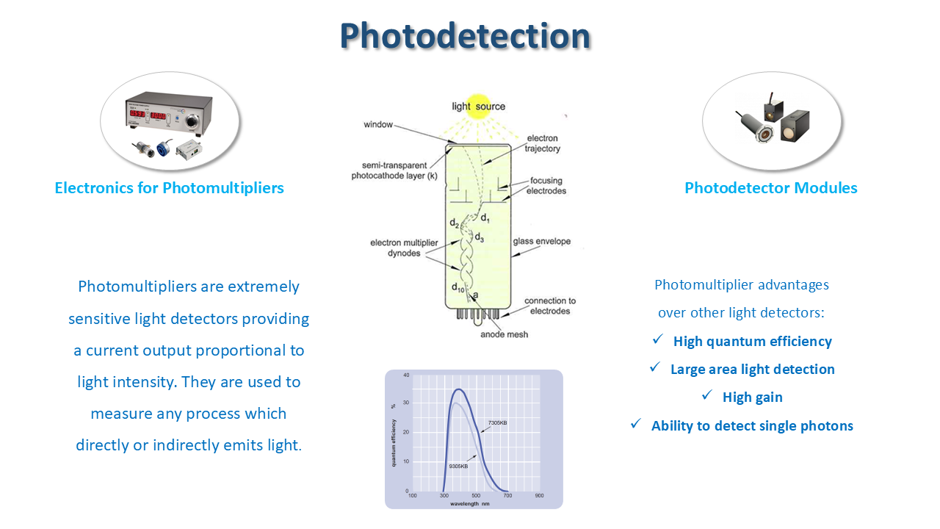
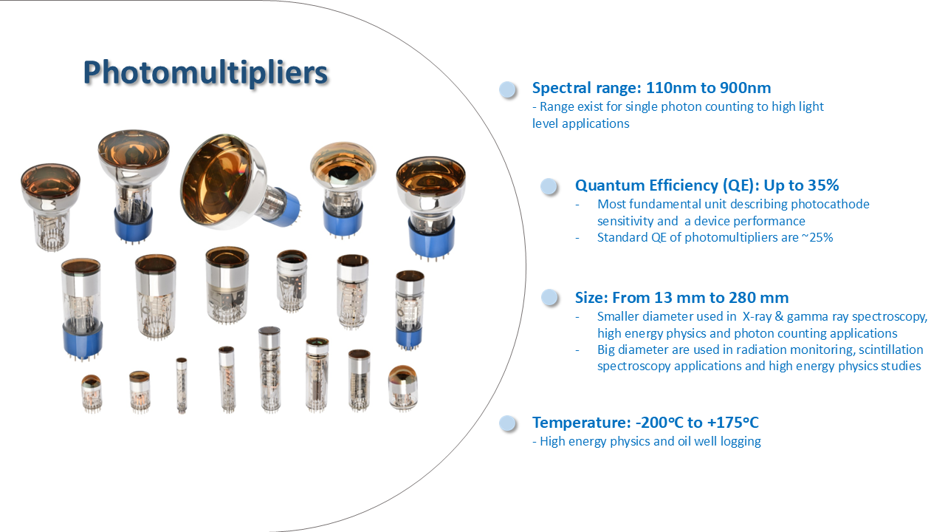
One approach is the application of lean manufacturing principles to the critical photocathode deposition stage at ET Enterprises, a designer and manufacturer of photomultipliers - highly sensitive detectors capable of measuring extremely low levels of light.
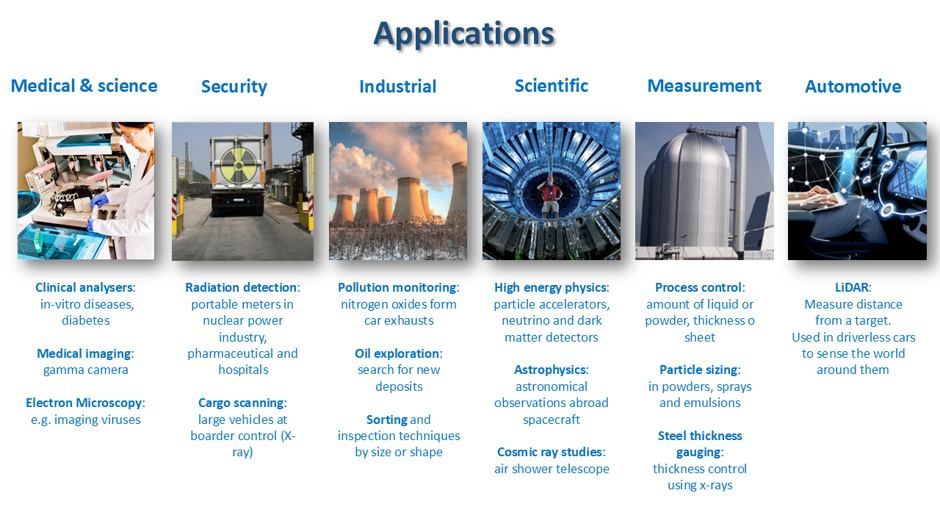
These devices are used in medical imaging, radiation detection, scientific research and industrial measurements. Because the signals involved are so small, even minor variations during the manufacturing process can significantly impact performance.
To meet demanding customer requirements and improve manufacturing yield, we applied Lean manufacturing principles to one of the most critical stages of our production: photocathode deposition.
The Challenge
Traditionally, photocathodes were produced using a manual process. While highly skilled operators could achieve excellent results, this approach introduced natural variability, higher scrap rates, longer development cycles, and limited scalability.
The Lean Approach
Lean manufacturing focuses on reducing variation and creating stable, repeatable processes. To support this, we developed an automated photocathode deposition system incorporating real-time monitoring, software-driven decision making and
comprehensive data logging.
This system enables us to:
- Maintain tight control over deposition conditions.
- Monitor overall process performance in real time.
- Process multiple devices simultaneously for improved scalability.
- Capture and analyse production data against key photocathode parameters such as sensitivity, gain and dark current.
By linking process data with performance outcomes, we achieve more consistent results and improved prediction of final product characteristics.
The Results
This automated, data-driven approach has delivered:
- Higher manufacturing yields.
- Faster development of new products.
- Reduced scrap rates.
- Improved control over device performance.
Manufacturing has become more predictable and better aligned with stringent customer specifications.
The most significant improvement was seen in our 2-inch diameter photomultipliers, where yield meeting customer gain specification increased from 20% with manual processing to 90% using the automated system.
We also achieved a substantial reduction in dark current (noise) scrap rates for 1-inch diameter photomultipliers, decreasing it from under 30% for manual processing to below 10% with Lean implementations.
Core Operational Challenges
Software bottlenecks
Development initially depended on external support, which created time lags when handling large processing volumes and made parameter changes slower and harder to control.
Hardware reliability issues
The process faced broken components on sensitivity and current boards, which disrupted operations and increased troubleshooting effort.
Scale-up instability
Moving to high-volume processing too early in development created unfavourable outcomes when parameters were not yet fully optimised.
How The Team Addressed Them
In-house software development
Bringing software work in-house gave our team full architectural control, reduced delays and made tuning easier.
Faster diagnostics
A special external diagnostic tool was built to identify hardware faults more quickly and cut maintenance time significantly.
Controlled ramp-up
The response to process instability was to build know-how gradually and scale devices more carefully instead of pushing volume too fast.
What Overcoming These Challenges Mean
The biggest issues were not just technical defects, but the combination of control, speed and scale. Lean manufacturing mattered for us because it helped reduce development time, improved troubleshooting and made scale-up more disciplined.
Moving our solution into production wasn’t just a technical milestone - it was a validation of the value we set out to deliver. The strong results and clearly visible improvements gave us the confidence to take it to the next step.
One of the most impactful changes was usability. By making the system more intuitive and user-friendly, we removed barriers that often come with adopting new tools. What started as a prototype quickly became a tool that other people could genuinely work with and rely on in a production environment.
Perhaps the most rewarding outcome, though, was the shift in mindset. Many of our colleagues in the Production department have decades of hands-on experience. Earning their trust wasn’t easy but by demonstrating real, tangible improvements, we were able to open the door to something new. They gave our prototype a chance not in a controlled test environment, but in real-world manufacturing. And that made all the difference.
Looking Ahead
We are now extending this Lean methodology across a broader range of photomultiplier products and advanced photocathode technologies.
This approach strengthens efficiency, quality and continuous improvement by enabling structured experimentation, error-proofing, knowledge capture and real-time, data-driven optimisation across our manufacturing processes.
If you work in the photonics industry, whether in areas such as optical sensing, imaging, laser systems, fibre optics, semiconductor photonics or advanced detector technologies, what strategies have you found most effective for implementing lean manufacturing while maintaining the precision, quality and process control required in highly specialised production environments?
Beyond Lean methodologies, are there other approaches, tools or best practices that have helped drive operational excellence and continuous improvement in your manufacturing process?
It would be valuable to hear about the challenges you have faced and the approaches that have delivered the greatest impact.
