


Tuesday 26th January 1926, 22 Frith Street - 100 Years since the first public demonstration of a fully working Television system.
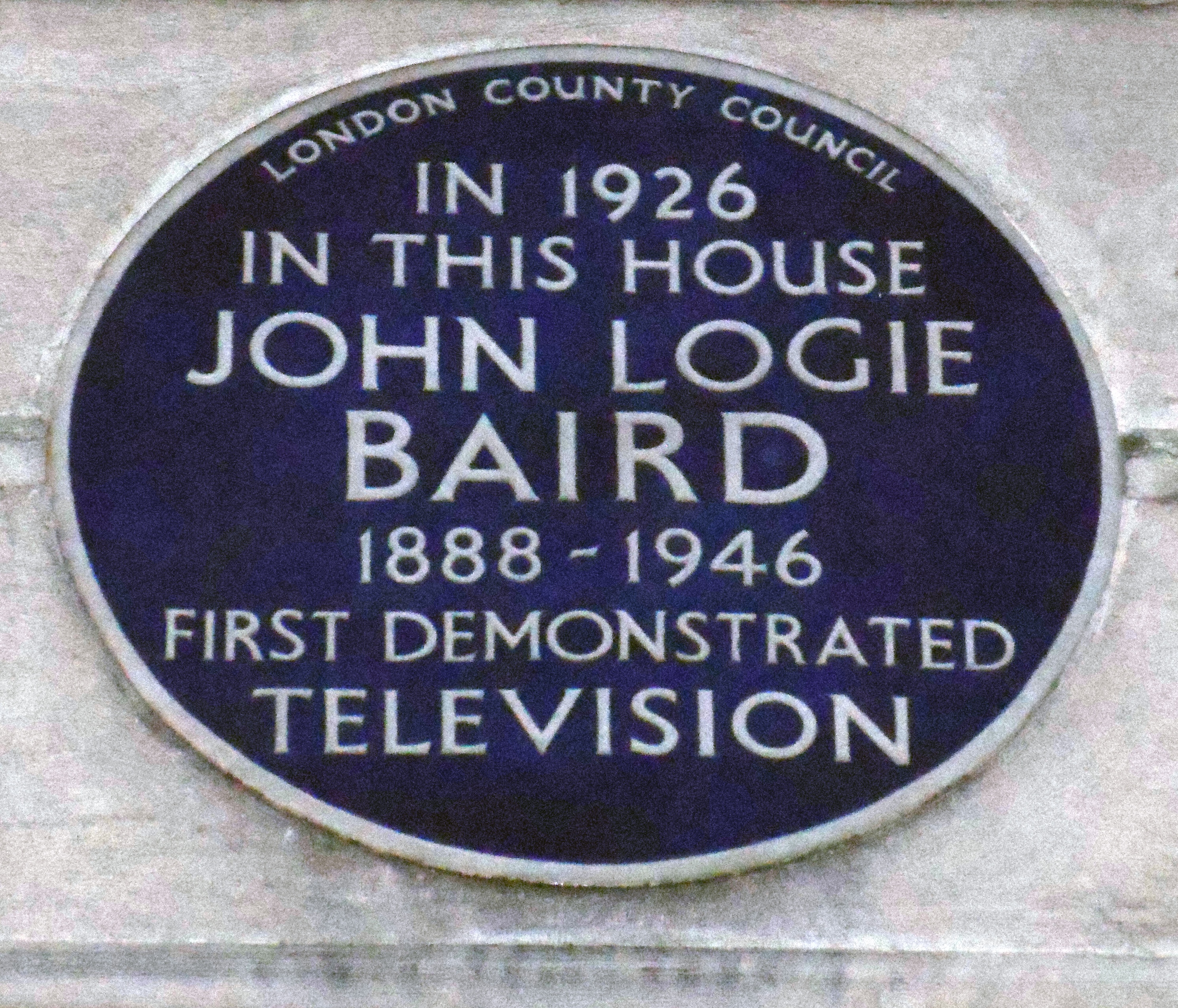
That dateline was in the mind of the great and the good of the Royal Institution, who were invited to attend the first public demonstration of a working television system. Over 40 members turned up to see what many believed was not possible - literally the see it to believe it event - in the tiny attic rooms that comprised John Logie Baird's laboratory which was in a fairly nondescript London street.
The public unveiling went to plan and showed what John Logie Baird had produced - an electromechanical television system that captured the moving image of a recognisable face on the camera, transmitted it the short distance to the receiver that then recreated the moving image on a very small portrait aspect display at a precision of rendition that allowed the viewer to be able to recognise the individual and the movement in real time.
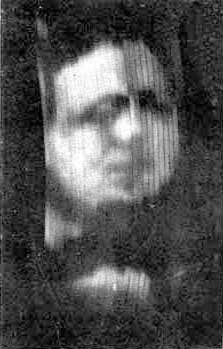
The demonstration was the direct result of the efforts of many individuals working over many decades to get to television. From the point where the idea of doing so was envisaged with the discovery of radio transmission and the properties of electricity, through the coining of the name 'télévision by Constantin Perskyi on the 24th August 1900, through a wide variety of engineers and scientists all contributing the small advances that all came to the crescendo awaiting the key person to solve the final issue that was escaping a solution - that of a photoelectric device that would respond electrically at a respectable speed of response to variation in light to successfully capture the detail of the image into an electrical current that could be amplified and transmitted to the display.
This is what John Logie Baird managed to do, and for this he wins the plaudits of being the inventor of the television - because he made it actually work after all the thought exercises, developments and experiments of a great many people.
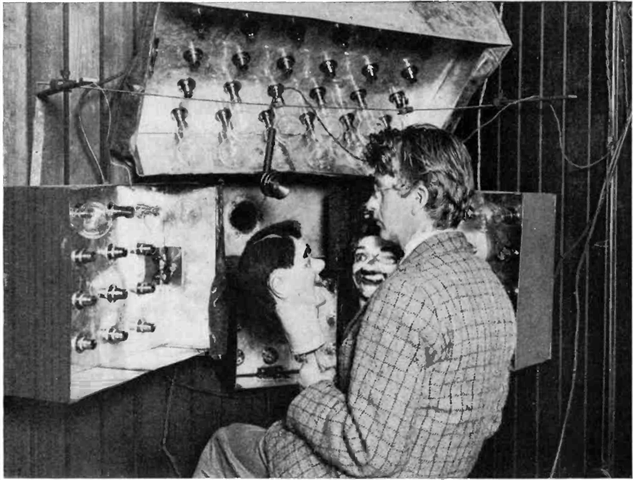 The camera comprised of the Nipkow disc, a rotating disc with a helical set of holes in it that allowed the (vertical) scanning of the subject image, that then was converted into an electrical signal by the combination of a selenium based photoelectric sensor combined with an electrical circuit that amplified the tiny current signal, and most importantly, the rate of change of the current to be able to capture the image in real time. That tiny current was amplified further to be transmitted to the receiver where that same electrical current would drive lamps that would vary in brightness proportional to the signal, and send light through another helical scan rotating disc to create the image that would be visible to the viewer due to effect of the persistence of vision.
Of course this television system had all the functions that we recognise today as a broadcast television system, but the implementation technology however moved on to more practical approaches over the next decade, based on fully electronic systems from the camera to the actual display. Thankfully so, as it has allowed it to grow and change and be able to be a feasible consumer product and service that we have today. It is important to note though that there is not just one generation between the John Logie Baird Televisor and the TV services that we have today. There have been many technology evolutions in cameras, signalling, distribution and display such that even the televisions that I grew up in the 1970s and 1980s with are as alien to our modern displays as that original Nipkow disc based electro mechanical Televisor.
It is good to think about the throng of persons involved in creating television as being so much more than just John Logie Baird, just as the development since that day when it was made to work (2nd October 1925) and publicly announced (26th January 1926) has involved a great many more engineers, story makers and artists to make what we have today. Although there are things that you can point to as being more critical and maybe more important to the modern world, you have to give thanks to all those involved in the television industry who continue to work to improve and deliver on the television services that we have today - a technology that impacts a quarter of our waking lives.
For those who are after more information about the life of John Logie Baird and the development of Television both before and after the demonstration, you can start with the recording of our celebration of 100 Years since the first successful use of the system to render a recognisable human face that we celebrated on Thursday 2nd October 2025 at Savoy Place. This is available on the IET Media Technical Network YouTube channel at https://youtu.be/YxDg2pSpeBk.
