


From early doubts about whether engineering was even an option, to chairing the IET’s Satellite Technical Network, Aaron Russell’s career has taken an unexpected path. Along the way, volunteering with the IET has helped him find purpose, community and a way to support the next generation of engineers.
Aaron Russell never expected to find himself working in space engineering. 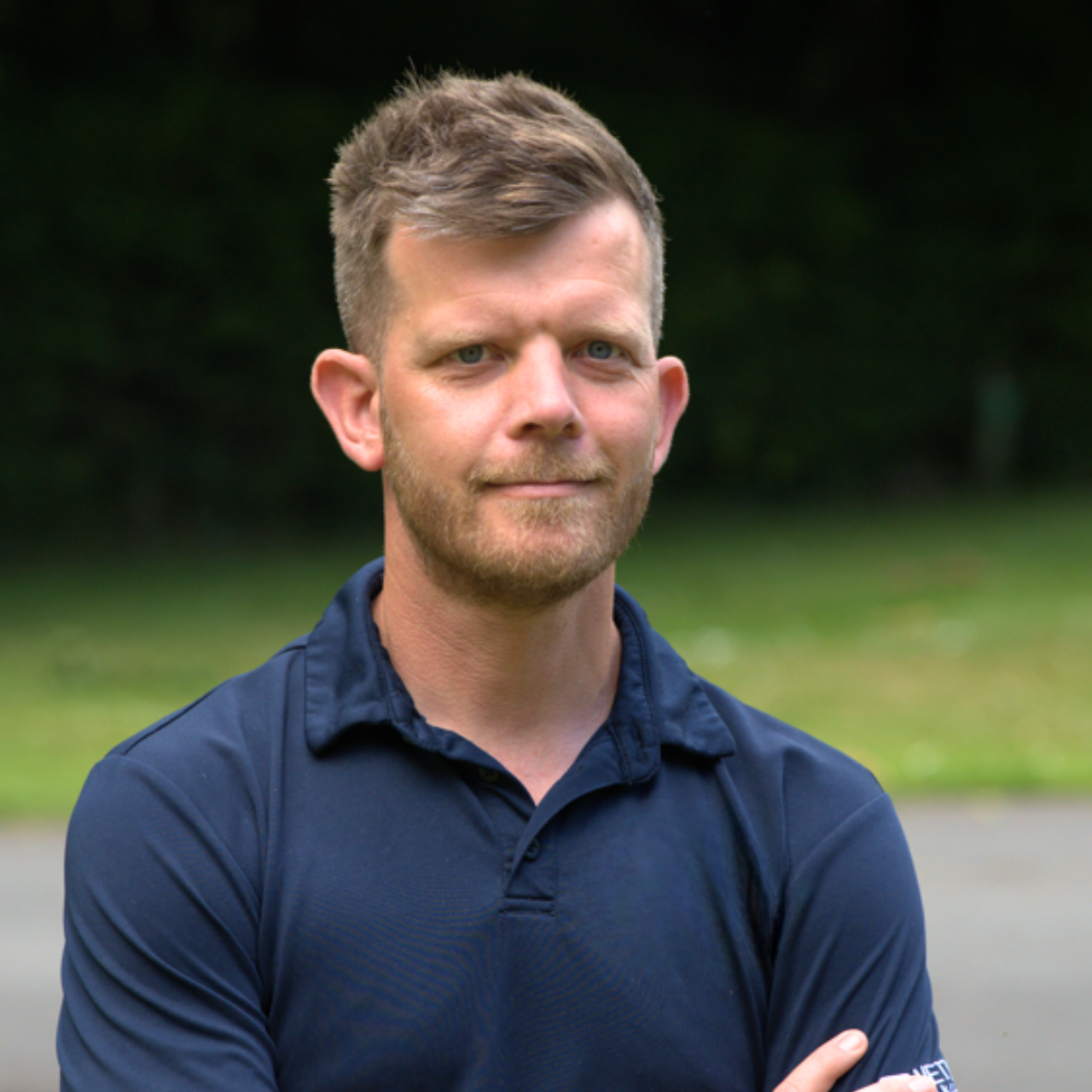
As a teenager, he had been told that STEM was “probably a pipedream”. His exam results did not reflect his curiosity or capability, something that only made sense years later when he discovered he was dyslexic. At the time, the message felt clear: engineering was not for people like him. Instead, he imagined a future in accounting or business, subjects that aligned with his love of numbers and understanding how things worked, even if he did not yet realise how closely that thinking mirrored engineering itself.
Everything changed during a conversation with his aunt while he was in sixth form. She asked a simple but powerful question: what do you actually want from life? That moment of honesty reframed his thinking. Together, they explored alternatives beyond the office-based future he had assumed was inevitable. That search led him to the Royal Corps of Signals and to a decision that would reshape his life completely.
Choosing engineering meant taking a leap. Aaron dropped out of college, walked into a careers office and started again. Six months later he began basic training and within two years had completed his trade training and found himself immersed in a world of problem solving, systems thinking and real-world impact.
Discovering engineering through doing
Aaron’s early roles focused on radio and satellite communications, including overseas postings and operational deployments. One formative moment came during a project to reposition antennas onto a platform. At the time, the solution was a rough and ready setup, a “dirty fit” built around manpack capability placed into cages. Working alongside scientists and advisers, Aaron helped develop a much cleaner fixed system that allowed equipment to be clipped in and switched between manpack and fixed use with a simple change of coax.
It was practical engineering with immediate value, and it revealed something important to him. Thoughtful design could simplify complexity, improve reliability and solve problems that genuinely mattered.
“That was the point I realised I loved this,” he reflects. “Seeing something work better because you’d thought it through properly.”
Over a twenty-four-year military career, Aaron’s responsibilities grew alongside his expertise. He worked across electronic warfare and intelligence before commissioning from the ranks as a technical officer. Later roles brought space firmly back into focus, culminating in his appointment as Officer responsible for UK MOD Satcom Operations within Defence Digital for the UK Ministry of Defence. In that role, he helped shape how satellite capability was deployed, protected and sustained in an increasingly contested environment.
Where engineering meets business
Although his engineering career flourished, Aaron’s early interest in business never disappeared. Instead, it evolved.
Today he is both a Chartered Engineer and a Director of Business Development, combining technical depth with commercial insight. His role allows him to work closely with government users, understand operational challenges and help translate complex engineering capability into practical and strategic value.
Looking back, Aaron sees a career that did not force a choice between engineering and business but one that naturally wove the two together. He still enjoys understanding how systems work but he is equally motivated by building relationships, shaping ideas and helping organisations navigate complexity.
Finding purpose through volunteering 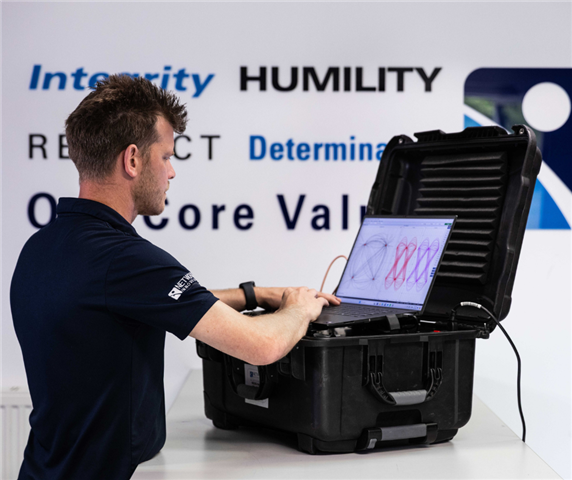
Despite a successful career, Aaron’s journey into volunteering began with self-doubt. When he first became Chartered, he admits he still did not quite feel like a “real” engineer outside the military context. Volunteering became a way to connect with the wider profession and test himself in a new environment.
That quickly took on deeper meaning. Coming from a background where engineering rarely felt visible or accessible, Aaron was keenly aware of how many people never see engineering as their world.
“For a lot of us, it just wasn’t something we thought we could do,” he says.
He began volunteering as a STEM ambassador, visiting schools and working with young people to demystify engineering. His focus expanded into representation and inclusion, particularly encouraging young women and those from less traditional pathways into the profession. Later, he became a Professional Registration Advisor, supporting others as they navigated Chartered and Incorporated Engineer applications.
Volunteering also led him into Technical Networks. Aaron joined the IET’s Internet of Things Technical Network, eventually serving as Chair. Working with the committee to reorganise and reposition the network for sustainable growth taught him a great deal about leadership, collaboration and knowing when to step forward and when to step back.
After stepping down, joining the Satellite Technical Network felt like a natural next step. Before long, Aaron took on the role of Chair, supported by an engaged and welcoming committee.
“A Technical Network isn’t static,” he explains. “It grows through the energy people bring to it.”
Building the future of space engineering 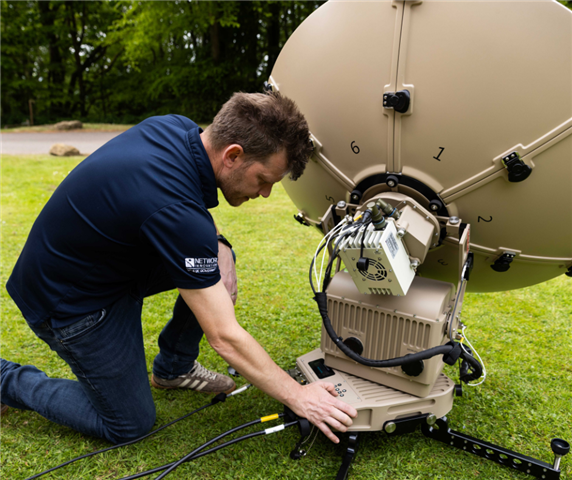
As Chair of the Satellite Technical Network, Aaron is focused on momentum, diversity and future leadership. He is passionate about bringing early career engineers, younger voices and people from different backgrounds into the network.
He often returns to the phrase standing on the shoulders of giants, though he is quick to redirect it. “I don’t think I’m a giant,” he says. “But if each of us adds a block or two, together we build something others can climb.”
His perspective on space extends beyond satellites and communications. Increasingly, it includes sustainability, ethics and long-term responsibility. These conversations often begin at home, where his children challenge him on space debris and environmental impact.
“They tell me I’m putting rubbish into space now as well,” he laughs. “And they’re right to question it.”
Those discussions reinforce his belief that engineers must engage honestly with the next generation. Space will influence a growing proportion of jobs over the coming decade, yet current engagement remains low. Without action now, skills shortages will deepen.
Growth, balance and giving back
Volunteering remains a constant thread in Aaron’s development. Personally, it allows him to connect with people across the profession and hear perspectives far removed from his own. Professionally, it sharpens his communication, leadership and strategic thinking, helping him step back from day to day demands to see the bigger picture.
Away from work and volunteering, Aaron is intentional about balance. Engineering, he believes, can become all-consuming without space to switch off. Early morning golf offers one escape while Lego provides another, reconnecting him with the curiosity and creativity that first drew him to engineering.
Aaron’s journey shows how engineering pathways are rarely linear and how volunteering can play a powerful role in shaping both careers and communities. Through his leadership within the IET and his commitment to supporting others, he continues to help build a more inclusive, forward looking future for space engineering.
If reading Aaron’s story has inspired you, why not explore the many ways you can get involved with the IET or join a Technical Network?
Find out more about volunteering on our website, or email volunteer@theiet.org for more information.
#VolunteerSpotlight