DC isolators and RC62

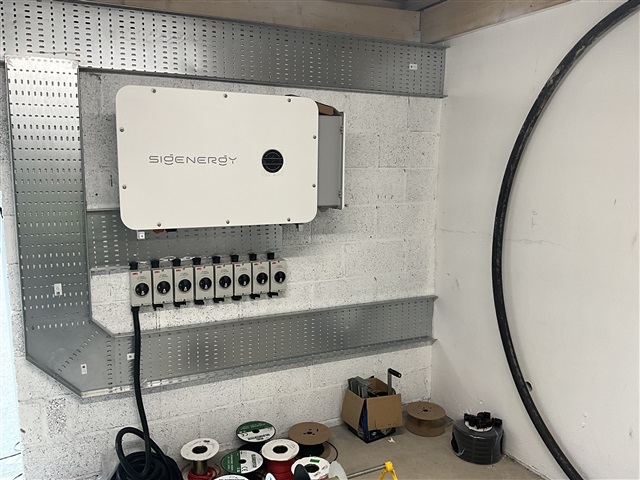
The RISC document RC62 asks installers to carefully consider the need for DC isolators. It is not unreasonable for insurers to insist that the additional risk associated with the devices is appropriately assessed. This is one of two 100Kw inverters. They are both housed in a purpose-built concrete block structure abutting a large door manufacturing plant so fire spread may be reasonably controlled. However, do we really need to have an isolator on each string. Likely done this way as it connects to the individual MPPT inputs?
Parents
  • The COP is clear that the DC switch disconnector can be built into the inverter. Therefore, there is no regulatory imperative to have individual switch disconnectors for individual string connections. You can imagine the difficulty a contractor would have if he did not have a robust design strategy that considered and controlled the risk from the devices, if a damaging fire was traced to their use. 
    I acknowledge good reasons for their use and I accept that there is little substantive evidence to properly evaluate risk, but I would caution contractors and clients to avoid situations as indicated in the photo unless the insurer is consulted.

  • unless the insurer is consulted.

    One wonders about the expertise of the insurers in this. Is this a legal consult about contractual liability, or a knowledge consult about the insurance industry's hidden data?

  • You can imagine the difficulty a contractor would have if he did not have a robust design strategy that considered and controlled the risk from the devices, if a damaging fire was traced to their use. 

    On the other hand, if you were "gripping the bar" after someone died from electric shock while replacing a faulty inverter and council for the prosecution pointed to the (statutory) regulation 12 of the Electricity at Work Regulations and asked why you hadn't installed a suitable isolator... would you be comfortable relying on a mere code of practice (and not even a BSI one at that) for your defence?

    No easy answers I suspect.

       - Andy.

  • One wonders about the expertise of the insurers in this.

    I asked my insurers whether they impose any restrictions concerning solar PV, and the response was that they do not.

    So if I put a battery indoors and it has a melt-down, I shall still be covered.

    You can imagine the difficulty a contractor would have if he did not have a robust design strategy that considered and controlled the risk from the devices, if a damaging fire was traced to their use.

    Of course a wise contractor would have professional indemnity insurance, so in the event of a mishap, it would be a tussle between the contractor's insurer and the building insurer.

    I suspect that if an insurer were consulted, the best response that you would get is that the equipment must be installed to the applicable standards. I doubt that they will review the design, but perhaps they might in industry.

    regulation 12 of the Electricity at Work Regulations and asked why you hadn't installed a suitable isolator

    If there are "means of isolation" in the inverter, how do you isolate the panels in the event that the inverter has to be removed?

    I cannot see how installing a row of switches could lead to liability unless it could be shown that they were installed negligently.

    ETA: it makes a change to see good workmanship. :-)

Reply
  • One wonders about the expertise of the insurers in this.

    I asked my insurers whether they impose any restrictions concerning solar PV, and the response was that they do not.

    So if I put a battery indoors and it has a melt-down, I shall still be covered.

    You can imagine the difficulty a contractor would have if he did not have a robust design strategy that considered and controlled the risk from the devices, if a damaging fire was traced to their use.

    Of course a wise contractor would have professional indemnity insurance, so in the event of a mishap, it would be a tussle between the contractor's insurer and the building insurer.

    I suspect that if an insurer were consulted, the best response that you would get is that the equipment must be installed to the applicable standards. I doubt that they will review the design, but perhaps they might in industry.

    regulation 12 of the Electricity at Work Regulations and asked why you hadn't installed a suitable isolator

    If there are "means of isolation" in the inverter, how do you isolate the panels in the event that the inverter has to be removed?

    I cannot see how installing a row of switches could lead to liability unless it could be shown that they were installed negligently.

    ETA: it makes a change to see good workmanship. :-)

Children
No Data