Why are different screw heads used in UK 3 pin plugs?

This morning I had to take my fan apart to fix it and while doing that I noticed the rubber bung on the three pin plug that gives you some resistance from pulling the wires out of the plug had come loose.

So, I went to unscrew the plug so I could pop the bung back in but then noticed that there are different types of screwheads used in the plug?

The main one to unscrew the back of the plug from the main body needs a flathead screwdriver but the one that you need to use to unscrew the bar across the cables is a Phillips head?

Why is that? Why are they different? Is that done deliberately?
Parents
  • The manufacturer is at liberty to select the type of screw head used, so today it's a question for each manufacturer's design team; however, there are some trends ... see below.

    I suspect it's just down to what's most efficient/convenient in the factory

    To an extent, but there is be a bit more of a logical explanation.

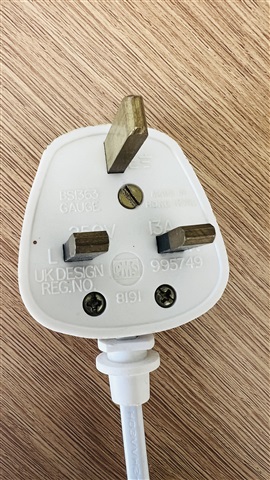
    Originally, all screws were flat head. Then, 'tap-tite' screws started to be used when the old cardboard cable grips were replaced by plastic. This is a manufacturing decision, because of production line power tools used because of the strain on hands with new plastic parts that have not had a screw inserted previously, and to avoid damage to screw heads and injury from flat screwdriver bits with power tools. Typically, the tap-tite screws were pozi, but later (as per the image) flat-pozi or flat-philips combination screws were used (like the example shown).

    Next, combination screws (flat/pozi) have been used for, first, the top cover, then later the terminal screws.This enabled flat to continue to be used post-manufacture, but pozi/philips in the factory. Terminal screws were last for the treatment, because only more recently has it been possible to use torque-controlled power tools for the terminal screws in the factory.

    Occasionally, we do now see pozi-only or philips-only options, but this is the decision of the manufacturer.

    So, I went to unscrew the plug so I could pop the bung back in but then noticed that there are different types of screwheads used in the plug?

      , if you look closely, the manufacturer of your plug has chosen an option of a combination flat-pozi, for the cable grip screws, so you can use flat only for all of the screws.

    Why is that? Why are they different? Is that done deliberately?
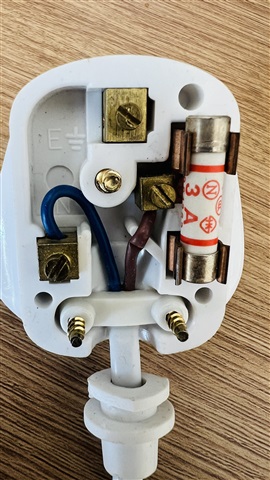
    Yes, see above, this is a deliberate decision for manufacturing power tool use.

Reply
  • The manufacturer is at liberty to select the type of screw head used, so today it's a question for each manufacturer's design team; however, there are some trends ... see below.

    I suspect it's just down to what's most efficient/convenient in the factory

    To an extent, but there is be a bit more of a logical explanation.

    Originally, all screws were flat head. Then, 'tap-tite' screws started to be used when the old cardboard cable grips were replaced by plastic. This is a manufacturing decision, because of production line power tools used because of the strain on hands with new plastic parts that have not had a screw inserted previously, and to avoid damage to screw heads and injury from flat screwdriver bits with power tools. Typically, the tap-tite screws were pozi, but later (as per the image) flat-pozi or flat-philips combination screws were used (like the example shown).

    Next, combination screws (flat/pozi) have been used for, first, the top cover, then later the terminal screws.This enabled flat to continue to be used post-manufacture, but pozi/philips in the factory. Terminal screws were last for the treatment, because only more recently has it been possible to use torque-controlled power tools for the terminal screws in the factory.

    Occasionally, we do now see pozi-only or philips-only options, but this is the decision of the manufacturer.

    So, I went to unscrew the plug so I could pop the bung back in but then noticed that there are different types of screwheads used in the plug?

      , if you look closely, the manufacturer of your plug has chosen an option of a combination flat-pozi, for the cable grip screws, so you can use flat only for all of the screws.

    Why is that? Why are they different? Is that done deliberately?

    Yes, see above, this is a deliberate decision for manufacturing power tool use.

Children
No Data