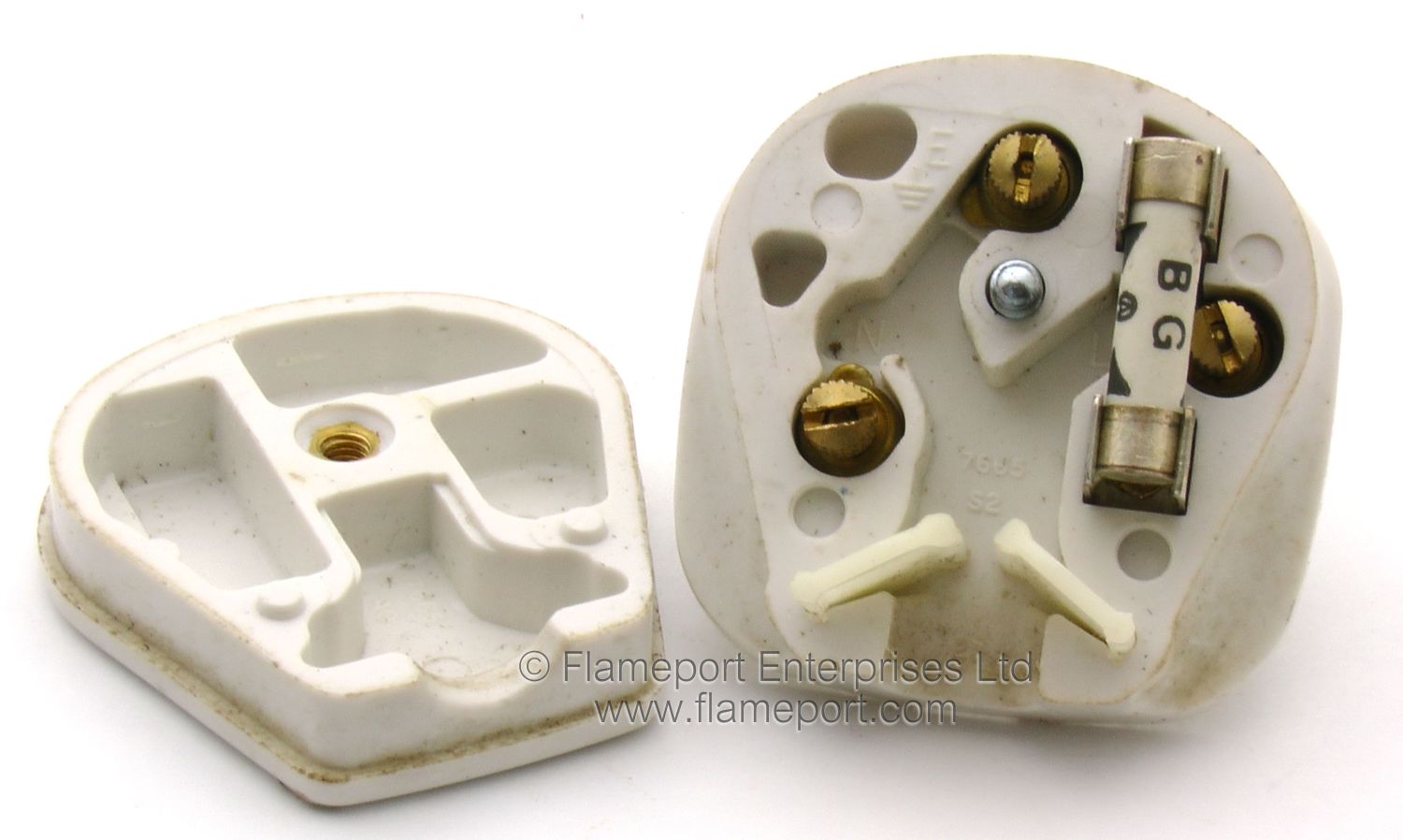
Why are different screw heads used in UK 3 pin plugs?

This morning I had to take my fan apart to fix it and while doing that I noticed the rubber bung on the three pin plug that gives you some resistance from pulling the wires out of the plug had come loose.

So, I went to unscrew the plug so I could pop the bung back in but then noticed that there are different types of screwheads used in the plug?

The main one to unscrew the back of the plug from the main body needs a flathead screwdriver but the one that you need to use to unscrew the bar across the cables is a Phillips head?

Why is that? Why are they different? Is that done deliberately?
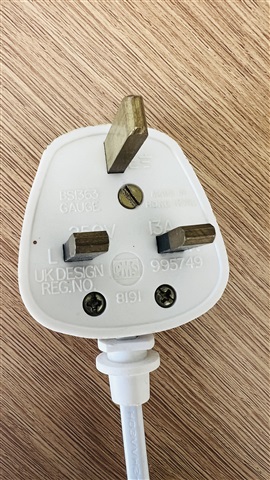
  • I suspect it's just down to what's most efficient/convenient in the factory... The screws of necessity have different diameter heads (large forces on relatively brittle plastic means you have to spread the load for the main lid fixing screw) so in principle you should be using different screwdrivers anyway (to match the width of the head, at least for simple slotted ones). I suppose the terminal screws and the cord-grip ones could have the same recess - which would be more convenient in general - but in the factory they're probably done at different stages, or at least using different torque settings, so commonality perhaps wouldn't be an advantage to the manufacturer?

       - Andy.

  • The manufacturer is at liberty to select the type of screw head used, so today it's a question for each manufacturer's design team; however, there are some trends ... see below.

    I suspect it's just down to what's most efficient/convenient in the factory

    To an extent, but there is be a bit more of a logical explanation.

    Originally, all screws were flat head. Then, 'tap-tite' screws started to be used when the old cardboard cable grips were replaced by plastic. This is a manufacturing decision, because of production line power tools used because of the strain on hands with new plastic parts that have not had a screw inserted previously, and to avoid damage to screw heads and injury from flat screwdriver bits with power tools. Typically, the tap-tite screws were pozi, but later (as per the image) flat-pozi or flat-philips combination screws were used (like the example shown).

    Next, combination screws (flat/pozi) have been used for, first, the top cover, then later the terminal screws.This enabled flat to continue to be used post-manufacture, but pozi/philips in the factory. Terminal screws were last for the treatment, because only more recently has it been possible to use torque-controlled power tools for the terminal screws in the factory.

    Occasionally, we do now see pozi-only or philips-only options, but this is the decision of the manufacturer.

    So, I went to unscrew the plug so I could pop the bung back in but then noticed that there are different types of screwheads used in the plug?

      , if you look closely, the manufacturer of your plug has chosen an option of a combination flat-pozi, for the cable grip screws, so you can use flat only for all of the screws.

    Why is that? Why are they different? Is that done deliberately?
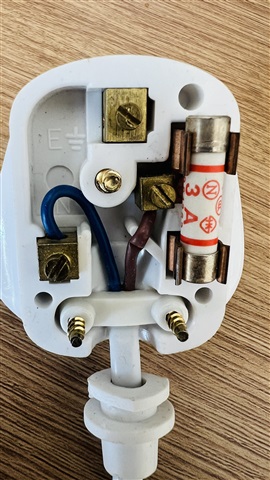
    Yes, see above, this is a deliberate decision for manufacturing power tool use.

  • A quick look at some of my BS 1363 plugs shows some with 3 slotted screws and one with the sort of combination head that suits both pozidrive and flat screwdrivers.

    I think that the point with your plug is that the screw which secures the lid is threaded and the ones for the cord-grip are self-tapping (with a combination head).

  • I am so glad you asked this Lisa, it's always slightly irritated me! More so where there are two small screws rather than one large one holding the case together, where all seven screws could then easily have been the same type.

    Yes I know there's bigger problems in the world, even so...Lean engineering and so on...

    Of course back in the olden days we didn't have these newfangled crosshead screws, then we just need three slightly different sized flat head screwdrivers to do this Smiley

  • then we just need three slightly different sized flat head screwdrivers to do this

    Or a nail file. Laughing

  • Of course back in the olden days we didn't have these newfangled crosshead screws, then we just need three slightly different sized flat head screwdrivers to do this

    Isn't that a function of the screw thread size driving the screw head size? It's a problem whichever 'driver' system you use, the terminal screws will be smaller than the rest.

    The only UK plug I remember that had the "single screwdriver" issue sorted was this version of MK plug:

  • Graham, how did you terminate the conductors? Shepherd's crook or ring?

  • Thanks for this interesting yet educative subject, after a deep and critical thought about this backed with few research, I can conclude it to be a design consideration in line with some relevant standards to back it up, as I have seen different types of three pin plugs across the globe of varying designs. So long as it meets the required standards such as safety/structural factors, tooling differences, tamper/sealing considerations and on few occasions cost considerations.

    Where possible am still open to learning on this aspect.

    Regards.

  • The only UK plug I remember that had the "single screwdriver" issue sorted was this version of MK plug:

    I recall a "no screwdriver" plug in my grandmother's house when I was very young - in a way it was a nice design - brass split pins for pins so it would fit both solid and sprung contact sockets, screwless terminals, cord grip not unlike modern ceiling roses or lampholders and lid that screwed on by hand that held it all together. Probably wouldn't meet today's safety standards though.

        - Andy.

  • like this:


    (pinched from plugsocketmuseum.nl)

      - Andy.