Why are different screw heads used in UK 3 pin plugs?

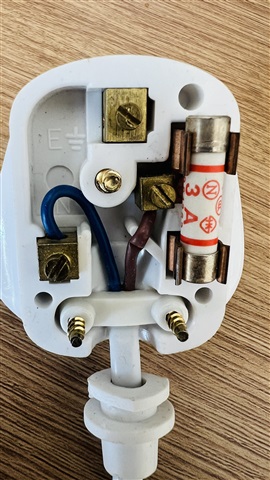
This morning I had to take my fan apart to fix it and while doing that I noticed the rubber bung on the three pin plug that gives you some resistance from pulling the wires out of the plug had come loose.

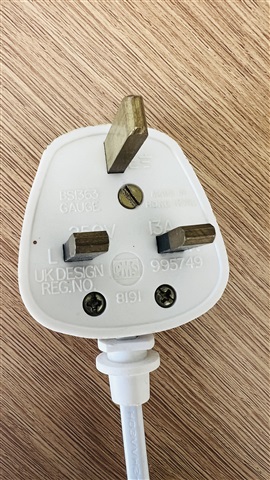
So, I went to unscrew the plug so I could pop the bung back in but then noticed that there are different types of screwheads used in the plug?

The main one to unscrew the back of the plug from the main body needs a flathead screwdriver but the one that you need to use to unscrew the bar across the cables is a Phillips head?

Why is that? Why are they different? Is that done deliberately?
Parents
  • Well I suspect it's due to the torque capability of the screw head because the head design determines the maximum torque which can be applied before the screw driver jumps out of the head due to cam-out. Typically cross headed screws can handle more torque than flat headed screws.

    The plug pins have small terminal screws, screwing into a pre-cut thread and so need very little torque to tighten them, just enough to tighten onto the copper conductor, indeed you don't want to over-tighten them and risk damaging the conductor so a flat headed screw is fine. The plug cover screw is typically a machine screw into a pre-threaded insert, so again doesn't need much torque so flat head is fine.

    But the cord strain relief is, as mentioned, now normally a self-tapping screw cutting its own thread into a moulded plastic cable gripper, so it does need quite a lot more torque to cut that thread initially and then clamp the gripper down onto the cable sheath. With a flat head, you'd probably have the screw driver cam-out in the process, whereas a cross-headed screw can handle the extra torque.

Reply
  • Well I suspect it's due to the torque capability of the screw head because the head design determines the maximum torque which can be applied before the screw driver jumps out of the head due to cam-out. Typically cross headed screws can handle more torque than flat headed screws.

    The plug pins have small terminal screws, screwing into a pre-cut thread and so need very little torque to tighten them, just enough to tighten onto the copper conductor, indeed you don't want to over-tighten them and risk damaging the conductor so a flat headed screw is fine. The plug cover screw is typically a machine screw into a pre-threaded insert, so again doesn't need much torque so flat head is fine.

    But the cord strain relief is, as mentioned, now normally a self-tapping screw cutting its own thread into a moulded plastic cable gripper, so it does need quite a lot more torque to cut that thread initially and then clamp the gripper down onto the cable sheath. With a flat head, you'd probably have the screw driver cam-out in the process, whereas a cross-headed screw can handle the extra torque.

Children
No Data