Why are different screw heads used in UK 3 pin plugs?

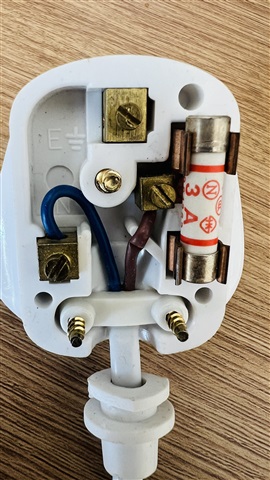
This morning I had to take my fan apart to fix it and while doing that I noticed the rubber bung on the three pin plug that gives you some resistance from pulling the wires out of the plug had come loose.

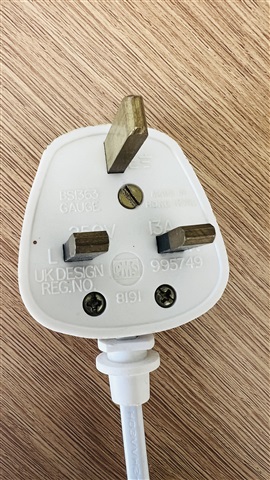
So, I went to unscrew the plug so I could pop the bung back in but then noticed that there are different types of screwheads used in the plug?

The main one to unscrew the back of the plug from the main body needs a flathead screwdriver but the one that you need to use to unscrew the bar across the cables is a Phillips head?

Why is that? Why are they different? Is that done deliberately?
Parents
  • More frustratingly, I would ask why the screws these days all seem to be made of Chinesium - a metal often softer than the plastic it's screwing into, and often indiscernibly harder than some cheeses......

Reply
  • More frustratingly, I would ask why the screws these days all seem to be made of Chinesium - a metal often softer than the plastic it's screwing into, and often indiscernibly harder than some cheeses......

Children
  • Even though they may look like solid metal (brass or plated brass), not all plug pins today are solid.

    Since BS 1363:1984, the standard has included specific requirements for non-solid pins, and additional type tests for plugs with non-solid pins, and this continues to the current BS 1363-1. BS 1363:1984 also introduced insulated sleeves on line and neutral pins into the standard.

    Plastic 'earth pins' (ISODs - insulated shutter opening devices) for plugs for class II only products were included in 2003, at the second amendment to BS 1363-1:1995, but a route to market had existed since 1994 through BSI PAS 003. (NOTE: PAS 003:1994 is not a 'PAS' as we know it today.)