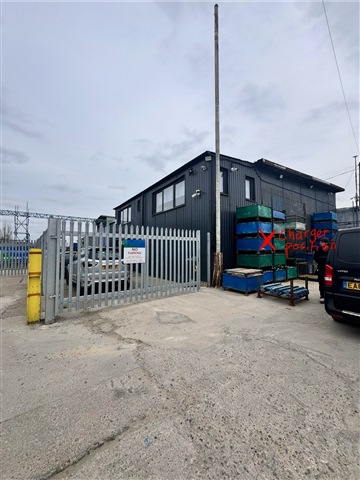
EV car parked within 2.5m of metal fence

Hi All

I've attached a photo of a proposed EV charger position that will be fitted 2.5m from the LH metal fence (which is very long and surrounds the perimeter of the compound), however the parked car will most likely be parked within 2.5m in reality.

Details/concerns are:

3 phase PME supply

The metal fence reads 55 ohms to the MET

The EV charger will have PEN protection

Bonding the fence could pose a worse situation 

currents could circulate in ground

PME services underground.

Would designating the car position at 2.5m from the fence with ground painting and signage be acceptable? 

Is TT the only option even though underground services could be present.

Some people have said the PEN fault protection will be acceptable and not to bond.

If the IET gods could help it would be most appreciated.
  • Just an unqualified mortal opinion, but I'd tend towards not worrying about it. In general it's only extraneous-conductive-parts within buildings that require bonding these days (if you go down the route of trying to bond everything you end up having to bond the very soil beneath your feet to create a complete equipotential zone (not impossible - buried grids can achieve that, but usually very costly and inconvenient) and even then you'd often create more problems around the perimeter of such a zone than you solve within it). Even in the days where outdoor bonding wasn't discounted there was a regulation stipulating that a metal fence within reach of a (PME bonded) steel lamp post need not be bonded - so there's some sort of precedent there too. Never say never and the regs always leave room for engineering judgement to best suit individual circumstances if you think there's a particular risk.

       - Andy.

  • First, it depends where the fence is. If the fence is for a substation compound or similar, or an electrified railway line, then you will need to speak to the owner of the fence to determine what is safe (as it is usually part of the HV design). Similarly, if it's at a water industry site, WIMES guidance might require a particular bonding approach.

    Second, it depends if the fence is connected to exposed-conductive-parts of another electrical installation connected to a different earthing system (for example, if it has CCTV, lighting or access control equipment attached). If so, Regulation 411.3.3 applies, and 2.5 m separation from a vehicle on charge is absolutely necessary. Usually, good practice for preventing contact is the erection of a wooden fence between the metal fence and the parking space, of sufficient height to prevent simultaneous contact with both the metal fence and the vehicle.

    Finally, BS 7671 (since 2008) only requires protective bonding in buildings. If neither of the above situations exists, then it could be more dangerous to bond the fence than not bond it.

    However, I'm looking at the location in the photo... you said it would be TT, ... I therefore assume you'll be providing physical separation from the metal-clad building too, as that's almost certainly connected to exposed-conductive-parts of the PME system ?

    Most of the above is covered in the iET Code of Practice for Electric Vehicle Charging Equipment Installation.